
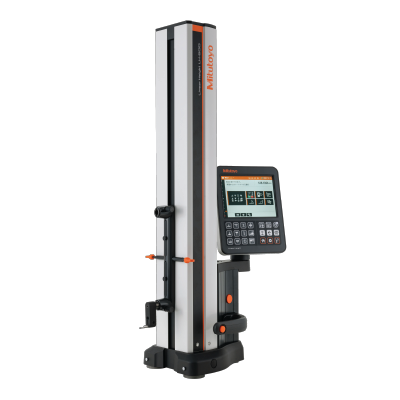
The Mitutoyo Quick Vision ACCEL CNC Vision Measuring System was designed with a primary focus on measurement speed and efficiency. The machine drives the X- and Y- axes at 400 mm/s.
industries
manufacturing
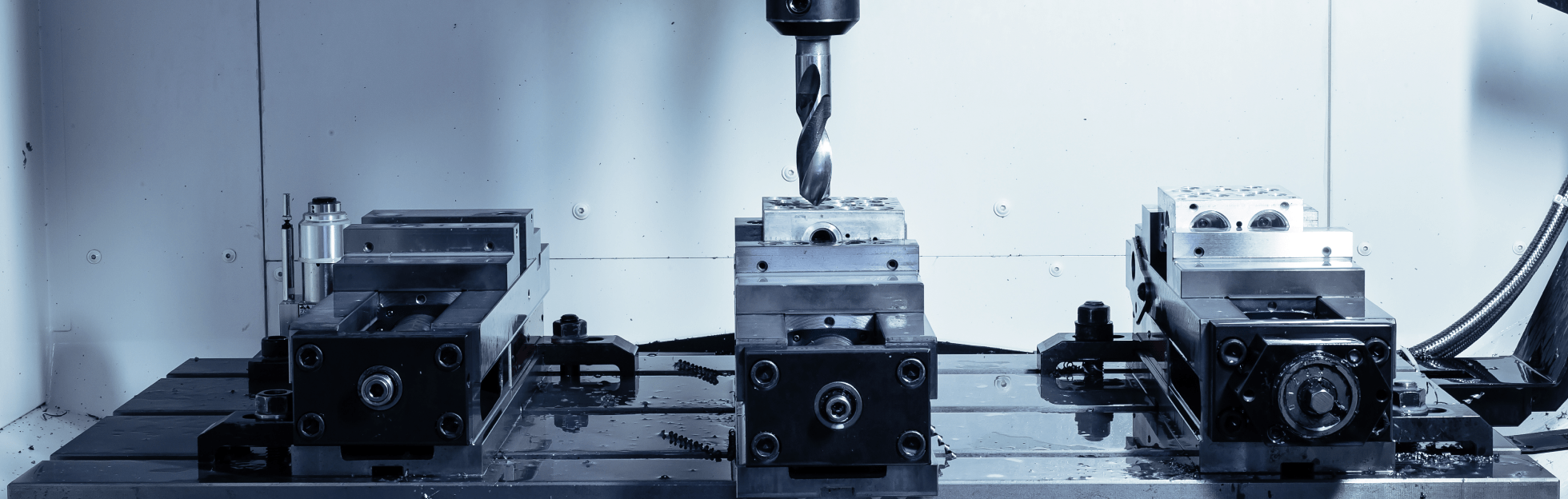
Industrial metrology is the science of measuring objects in manufacturing processes. It ensures products meet specifications, maintains quality, and detects defects for timely correction.
Manufacturers use metrology to ensure the products you buy meet quality standards. Metrology provides behind-the-scenes quality control for many products you use daily.
Metrology in manufacturing helps ensure product consistency and accuracy. Critical components must precisely conform to function correctly. Measurements identify variations affecting performance, ensuring parts meet required standards and quality. For example, a small variation in a medical implant could cause it to fail, harming patients.
Types of Products
Industrial metrology applies across manufacturing, including:
- Automotive – Engine, chassis, gear, and other component measurements check precision and accuracy for proper fit and performance in the cars you drive.
- Aerospace – Jet engine blades, wings, fuselages, and components are measured to exacting tolerances, often micrometer-level, critical for performance and safety of aircraft.
- Medical devices – Joint replacements, pacemakers, surgical tools require meticulous measurements confirming quality and consistency to avoid patient harm. Even small variations could risk patient harm.
- Semiconductors – Metrology tools inspect wafers and chips during production, confirming circuit widths meet specifications that allow your computer to function properly.
- Consumer products – Appliance and electronic measurements during manufacturing verify size, shape, and dimensional conformance, ensuring proper assembly and functionality of products you use daily.
Metrology applies to most manufactured products where quality, precision, and consistency are critical. Metrology tools match applications and specifications.
Metrology Systems
Advanced manufacturing metrology systems include:
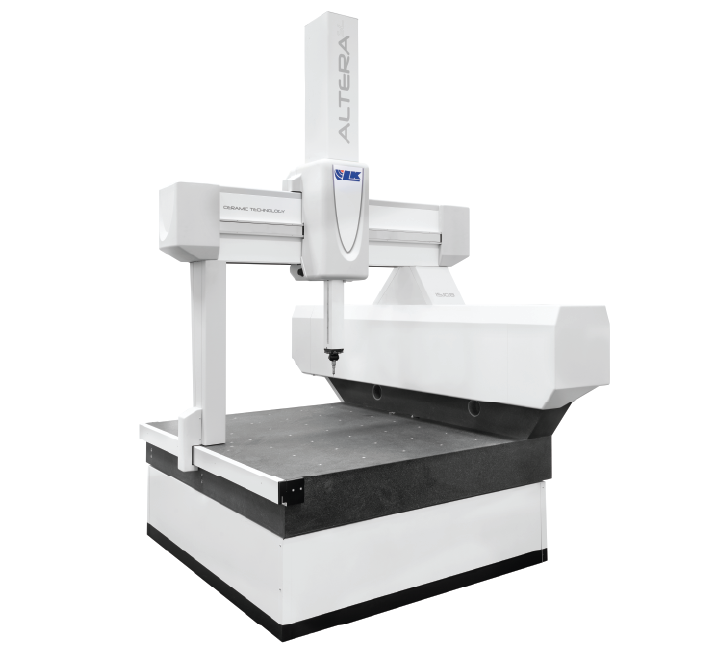
- Coordinate measuring machines (CMMs) are high-precision measuring instruments using probes to precisely measure the shape and size of objects. Accurate to the micrometer level, CMMs are used for quality control inspection and reverse engineering.
- Optical inspection systems use cameras and sensors to inspect surfaces for defects or specification deviations via non-contact measurements done quickly. Optical comparators and vision inspection systems are common examples.
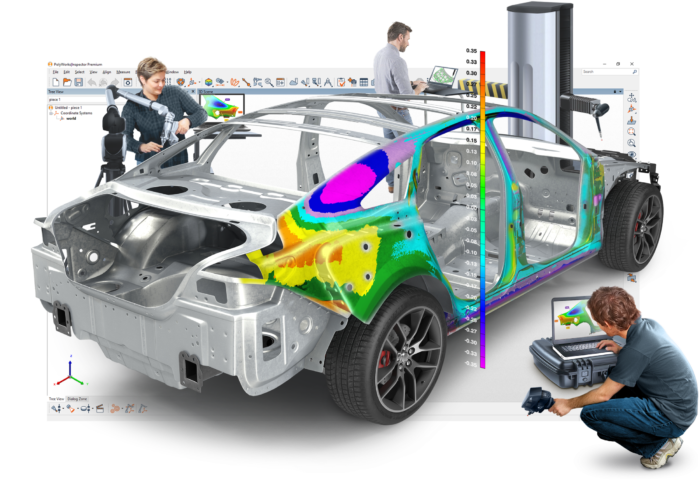
- 3D laser scanning systems use lasers to scan objects and create 3D models of the shape and size. The precision of laser scanning enables accurate measurements and reverse engineering. Portable scanners add flexibility.
- X-ray computed tomography (CT) uses X-rays to produce detailed 3D images of internal structures, revealing defects while precisely measuring objects without damage.
- Atomic force microscopy (AFM) uses tiny probes to measure surface microstructures at nanometer resolution.
- Interferometry uses the interference of light waves to precisely measure shape, size, finish, flatness, parallelism, and other parameters.
When Used
Industrial metrology applies at key manufacturing stages:
- Pre-production metrology involves measuring prototypes to confirm they meet specifications before full production begins. This verification ensures processes are capable of producing quality parts consistently.
- In-process metrology includes periodic measurements during production to monitor precision, catch defects early, and provide equipment calibration feedback for adjustments.
- Post-production metrology serves as final inspection confirming specifications were met. This quality control occurs before shipping products to consumers like you.
Ongoing periodic metrology testing helps maintain quality standards over time by identifying potential defects or process drift.
Precision metrology provides critical data at the right stages, confirming processes consistently meet specifications for performance and reliability. Ongoing metrology is vital for quality assurance.
Calibration Standards
To produce accurate measurements, metrology instruments must be calibrated based on trusted standards. This calibration establishes measurement traceability. Common calibration standards include:
- Gage blocks are high precision blocks with parallel sides used to calibrate measurement devices. They are available in a range of imperial and metric sizes.
- Master artifacts are precision objects of known dimensions. Different artifacts can calibrate for measurement of size, form, angles, straightness, threads, and more.
- Laser interferometers use laser light to accurately measure distance. They calibrate instruments for linear displacement measurement.
- Developed standards are customized in-house to allow calibrations tailored to meet a company’s specific process metrology needs.
Updating standards is essential. Inaccurate standards lead to imprecise measurements and potential defects. Metrology labs follow rigorous processes, ensuring integrity and traceability to recognized national and international standards.
Metrology Personnel
Qualified personnel operate, maintain, and analyze metrology systems:
- Metrologists are scientists trained in measurement principles who establish metrology methods, procedures, and programs.
- Quality assurance (QA) technicians conduct measurements and analyze results using metrology equipment to identify defects or variance from specifications.
- Maintenance technicians are responsible for calibrating metrology systems and maintaining them in proper working order for accuracy.
- Engineers work with metrology personnel and data to improve manufacturing processes. They identify needed adjustments to enhance product quality.
Metrology requires attention to detail and skilled use of sophisticated measurement instruments. Ongoing training develops expertise in measurement science and equipment operation. Math, statistics, and computing skills are also important for analyzing metrology data.
Is Industrial Metrology Critical?
Industrial metrology has an enormous impact on the quality, safety, and reliability of the products you use daily across many industries. Skilled metrologists using advanced tools serve as manufacturing’s “quality police”, providing objective data verifying consistent specification conformance.
Without metrology, defects would multiply, performance would suffer, and product safety could be jeopardized. While you as the consumer rarely see these meticulous measurements, you benefit from the resulting product quality and reliability. When product performance integrity is critical for safety, industrial metrology’s vital role is clear.
FAQs About Industrial Metrology
What are the main objectives of industrial metrology?
Ensuring products meet specifications, detecting defects, improving quality, reducing waste, and ensuring proper performance and safety.
What types of metrology instruments are used?
CMMs, optical comparators, laser scanners, vision inspection systems, CT scanners, and more.
How precise are industrial metrology tools?
Systems provide micrometer or nanometer precision depending on the specific instrument.
What industries rely most on industrial metrology?
Aerospace, automotive, medical devices, electronics, and semiconductors have stringent requirements.
Why is calibration important in metrology?
Calibration using trusted standards ensures accuracy and traceability, providing reliable measurements.
Metrology Equipment for the Manufacturing Industry

L100 CMM Laser Scanner
quick view
XC65Dx CMM Laser Scanner
quick view
CARBstrato
quick view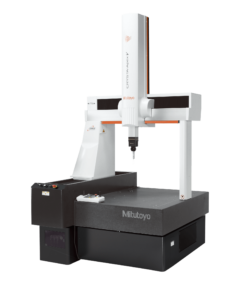
CRYSTA-Apex V500/700/900
quick view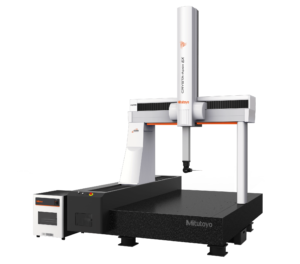
CRYSTA-Apex EX 1200R
quick view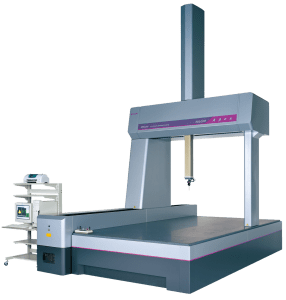
FALCIO-Apex 2000G/3000G/4000G/4500G
quick view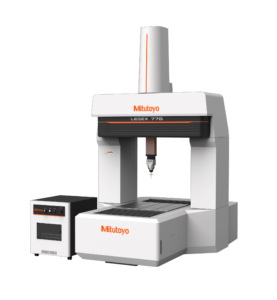
Legex 500/700/900/1200
quick view
MACH-Ko-Ga-Me
quick view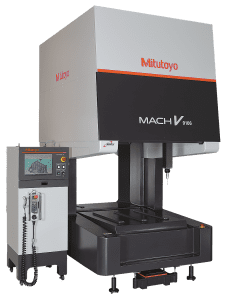
MACH-V
quick view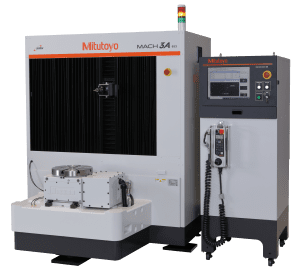
MACH-3A
quick view
MiSTAR 555
quick view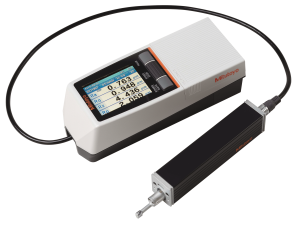
SJ-210 – Portable Surface Roughness Tester
quick view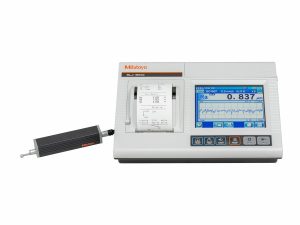
SJ-310 – Portable Surface Roughness Tester
quick view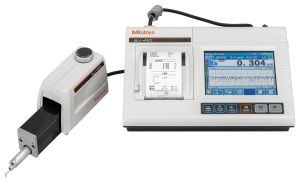
SJ-410 – Portable Surface Roughness Tester
quick view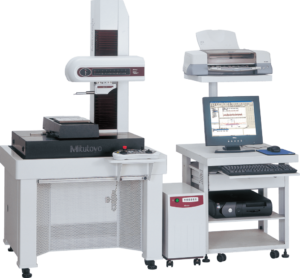
SV-3000 CNC – Extreme Type
quick view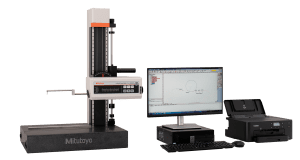
Contracer CV-2100 – Contour
quick view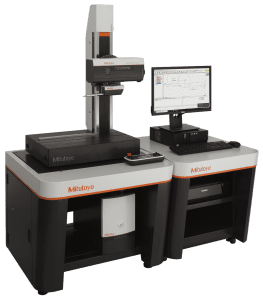
FTA-S3000
quick view
FTA-C3000
quick view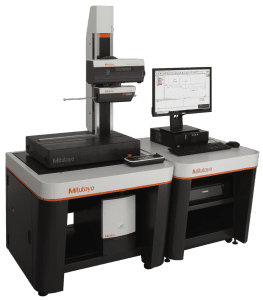
FTA-C4000
quick view
RA-120 /120P – Roundness
quick view
Roundtracer Flash
quick view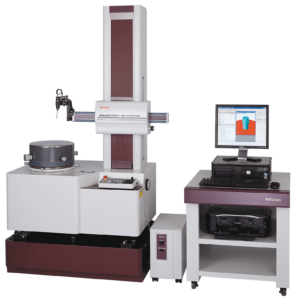
RA-H5200 – Roundness / Cylindricity Capable
quick view
RA-2200 CNC – Extreme Type
quick view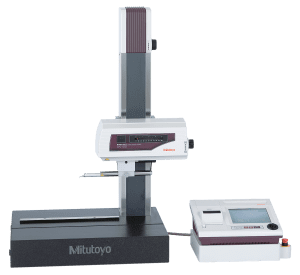
SV 2100 – Dedicated Processor – Column Type
quick view
Roundtracer Extreme
quick view
CS-3300 – Singular Detector Type
quick view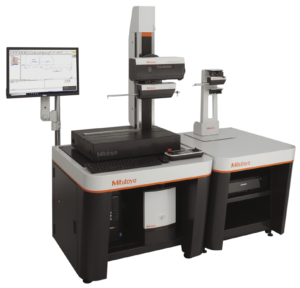
FTA-D3000 – Dual Detector – One Sided Contour Stylus Type
quick view
FTA-D4000 – Dual Detector – Dual-sided Contour Stylus Type
quick view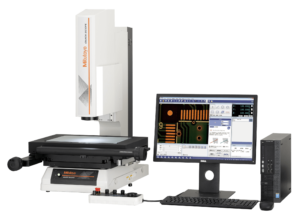
Quick Scope – Digital Microscopes
quick view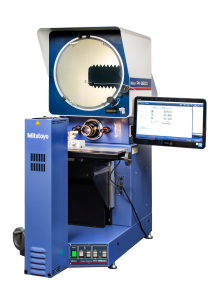
PH-3515 Profile Projector
quick view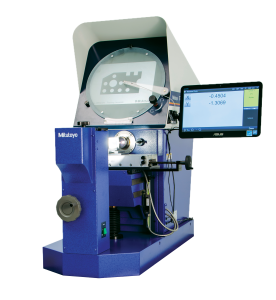
PH-A14 with M2 2D
quick view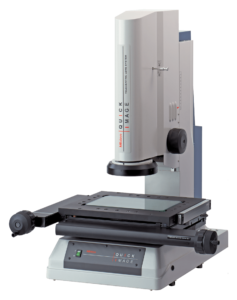
Manual Quick Image
quick view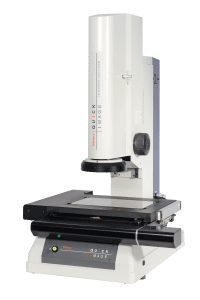
Motorized Quick Image
quick view
Quick Vision Active
quick view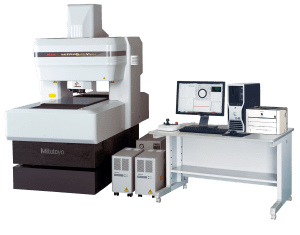
Quick Vision Ultra
quick view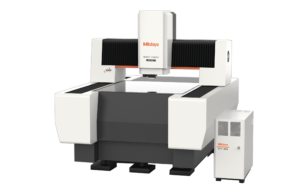
Quick Vision ACCEL
quick view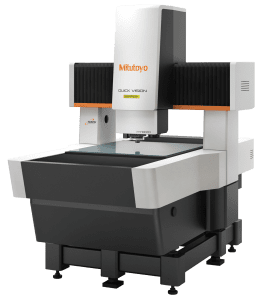
Quick Vision Hyper Pro
quick view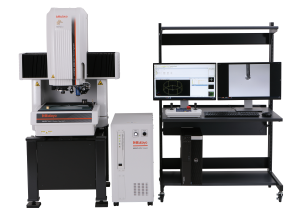
MiScan Apex
quick view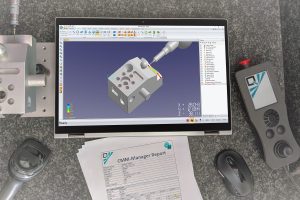
CMM-Manager
quick view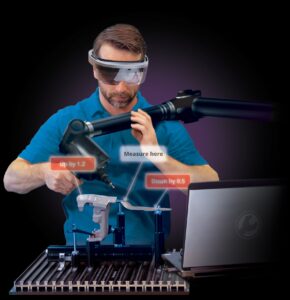
PolyWorks AR
quick view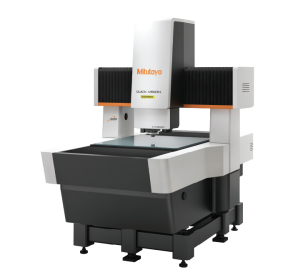
Quick Vision Hyper Pro Hybrid Type 4
quick view
PolyWorks Reviewer
quick view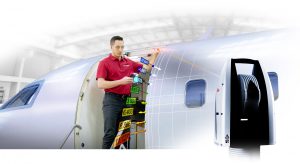
PolyWorks Talisman
quick view
Offline Seat
quick view
Native CAD Import
quick view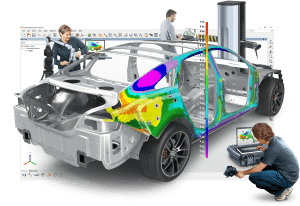
PolyWorks Inspector
quick view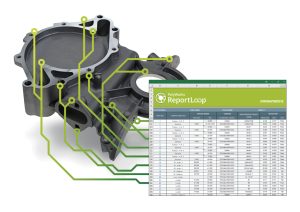
PolyWorks ReportLoop
quick view
SNAP 350
quick view
SprintMVP 624
quick view
SprintMVP 1550-1552
quick view
SNAP 100
quick view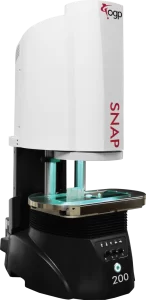
SNAP 200
quick view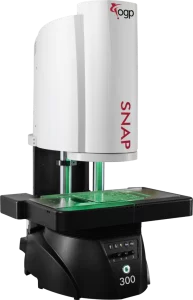
SNAP 300
quick view
Fusion 600
quick view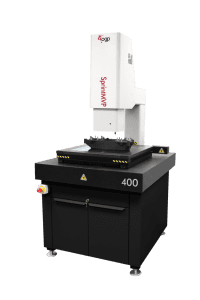
SprintMVP 400 & SprintMVP 600
quick view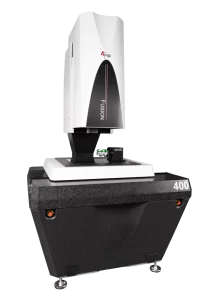
Fusion 400
quick view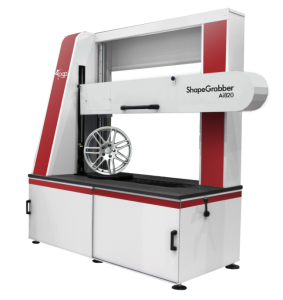
ShapeGrabber Ai820
quick view
ShapeGrabber Ai620
quick view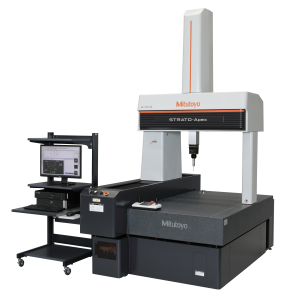
STRATO Apex 500/700/900/1600
quick view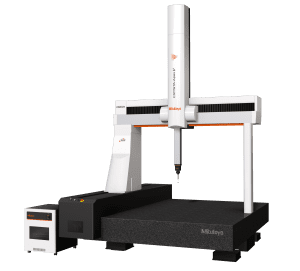
CRYSTA-Apex V1200/1600/2000
quick view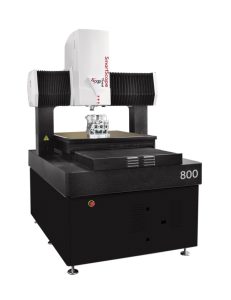
SmartScope Quest 800
quick view
SmartScope Quest 650
quick view
Surftest SJ-500 / 500P
quick view
SmartScope SP 332
quick view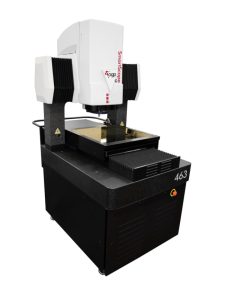
SmartScope SP 463
quick view
SmartScope SP 663
quick view
Offline Programming for Vision
quick view
MiScan Hyper
quick view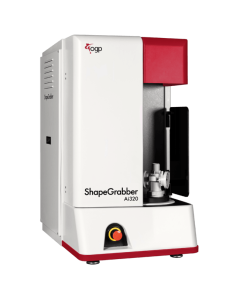
ShapeGrabber Ai320 3D Scanner
quick view
SmartScope Quest 450
quick view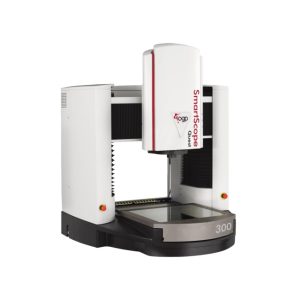
SmartScope Quest 300
quick view
SmartScope Quest 250
quick view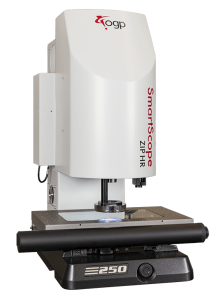
SmartScope ZIP HR 250
quick view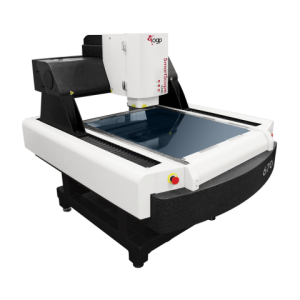
Smart Scope Flash 670
quick view
Benchtop Multisensor Measurement System
quick view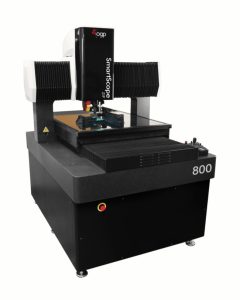
SmartScope ZIP 800
quick view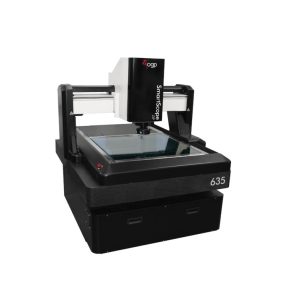
SmartScope ZIP 635
quick view
Flash 200 | Compact Benchtop System
quick view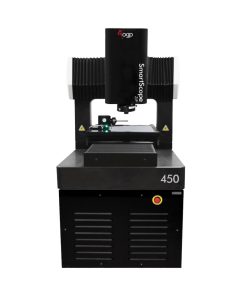
SmartScope ZIP 450
quick view
SmartScope Flash 500
quick view
SmartScope Flash 1500 | 1550 | 1552
quick view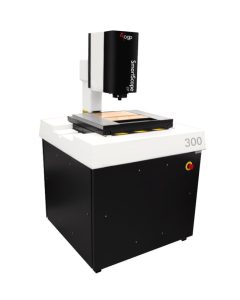
SmartScope ZIP 300
quick view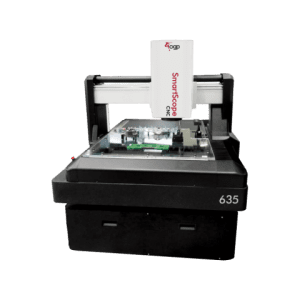
SmartScope Flash 635
quick view


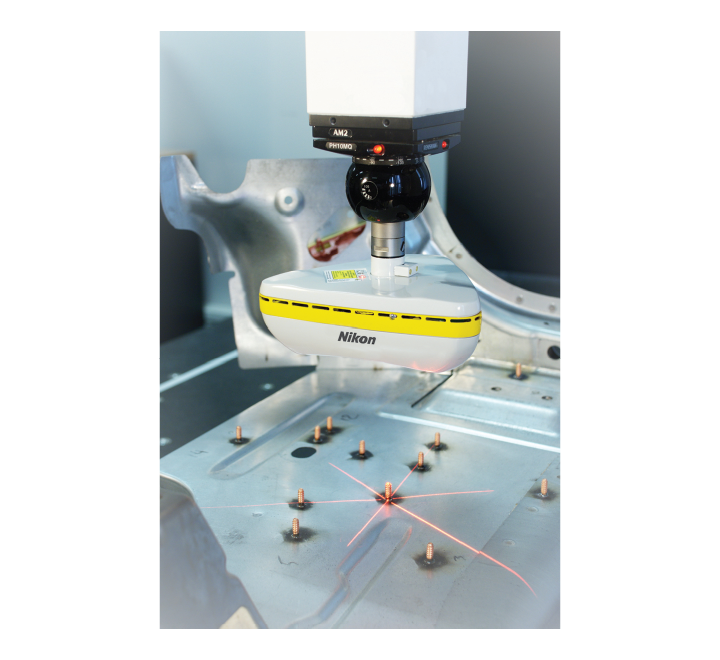
L100 CMM Laser Scanner
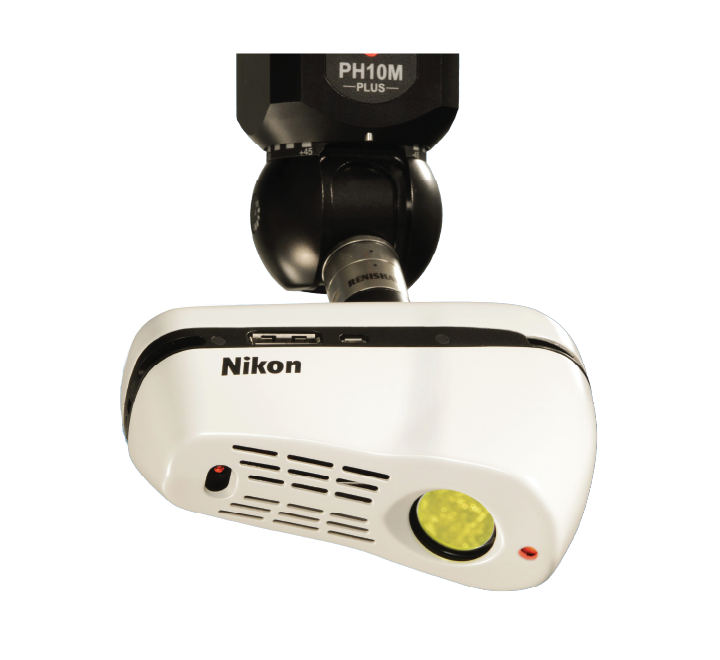
The L100 is ideal for non-contact inspection of components where productivity is key, without having to compromise on accuracy. It offers exceptional precision and delivers high levels of detail.
more information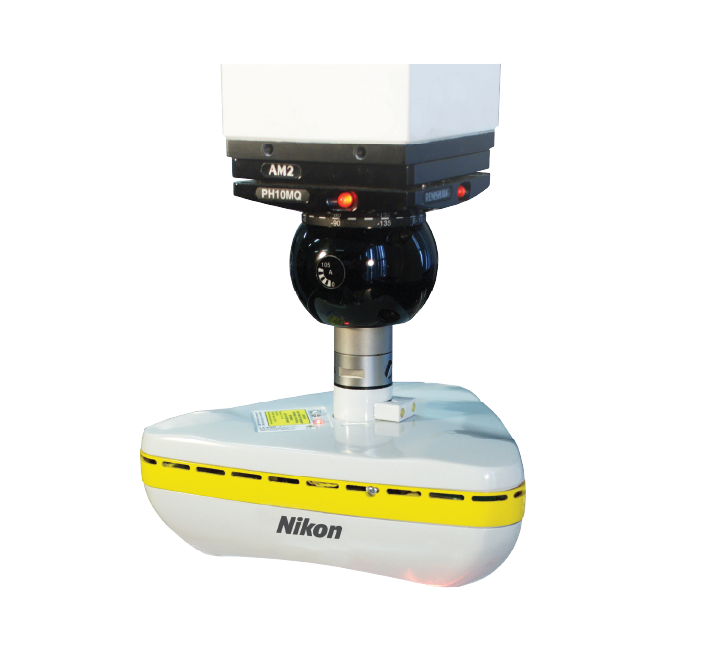
XC65Dx CMM Laser Scanner
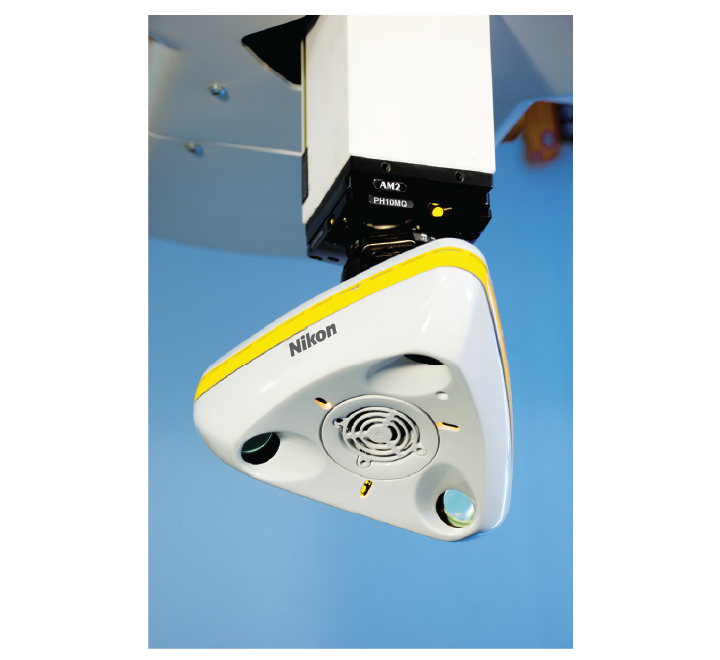
The triple-laser XC65Dx cross scanner captures 3D features and surfaces in a single pass, greatly increasing scanning productivity.
Thanks to its patented, triple-laser configuration, the XC65Dx cross scanner captures comprehensive information about complex 3D geometric features and freeform surfaces in a single scan.
more information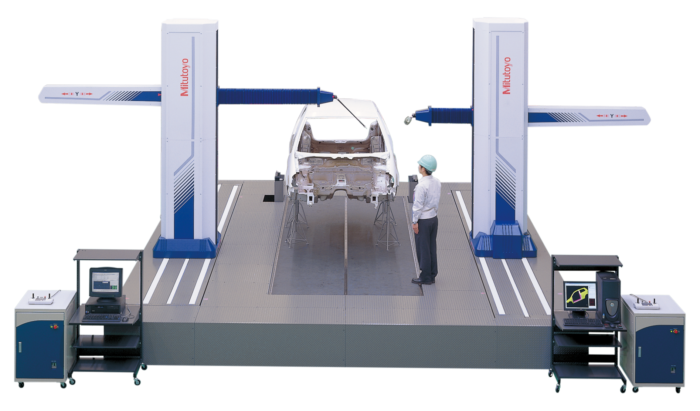
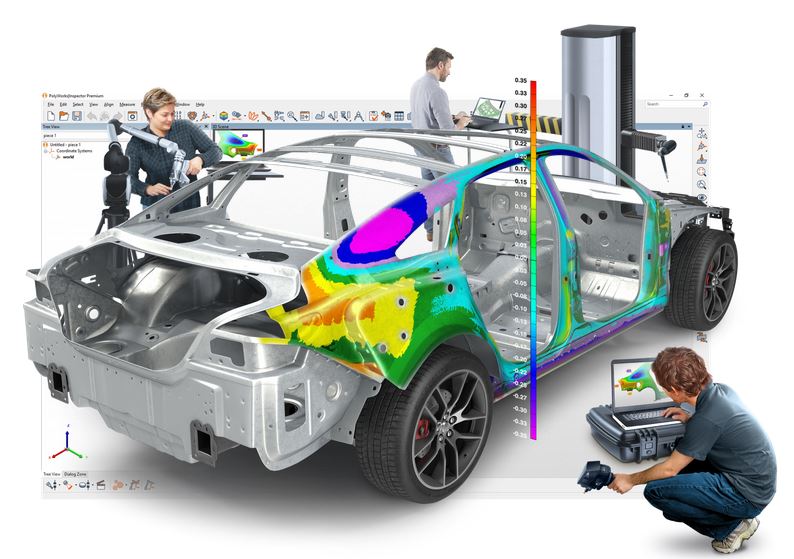
CARBstrato
The Mitutoyo CARBapex/CARBstrato Series 355-Car Body Measuring System CNC CMM are a cost-effective horizontal type, large CNC CMMs, and offer the world’s largest class measurement range with capacity up to 8 meters (26 feet) that makes it possible to measure car bodies. These CMMs are capable of interchanging contact and non-contact probes, millions of measurement points can be collected in a short time.
more information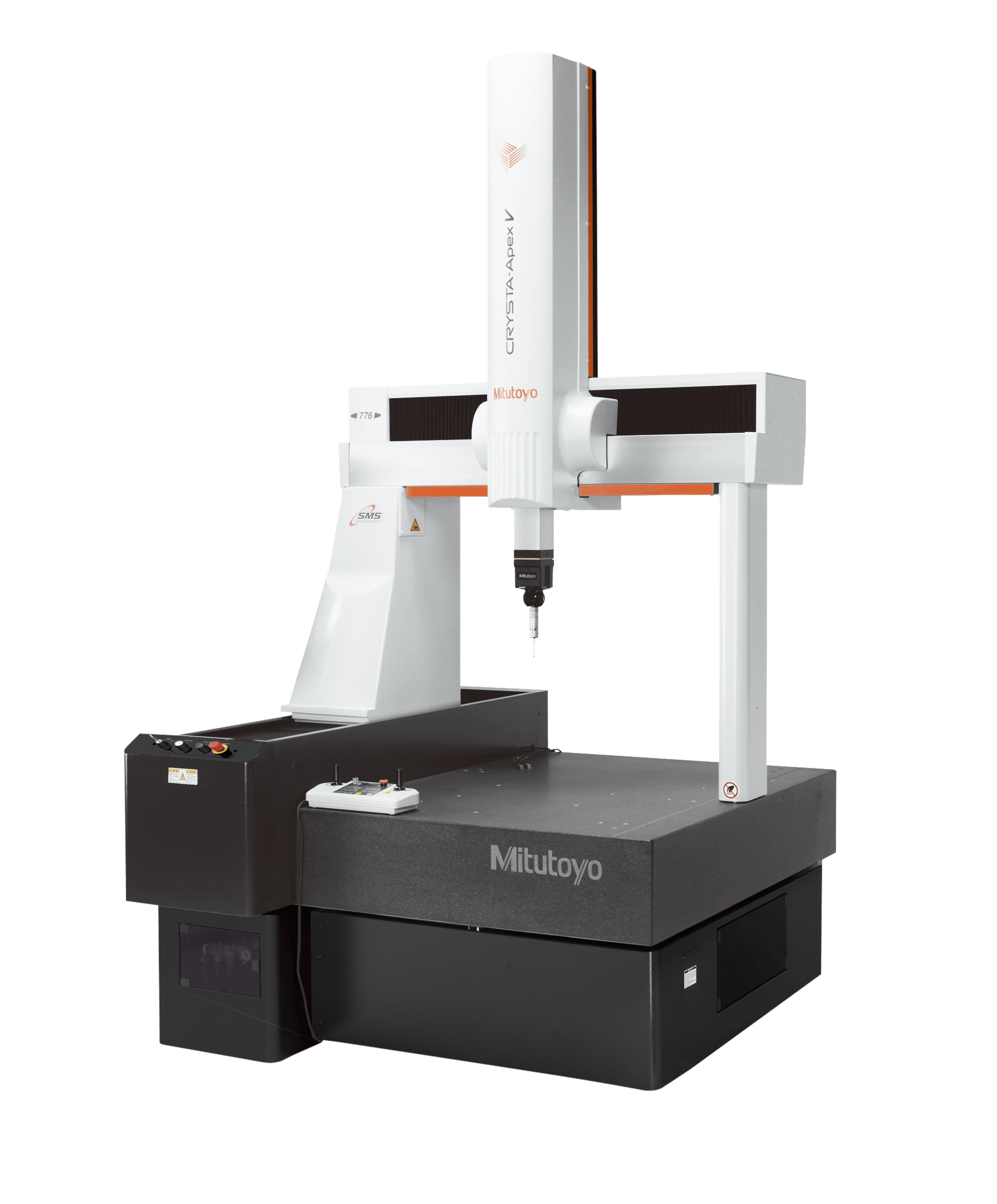
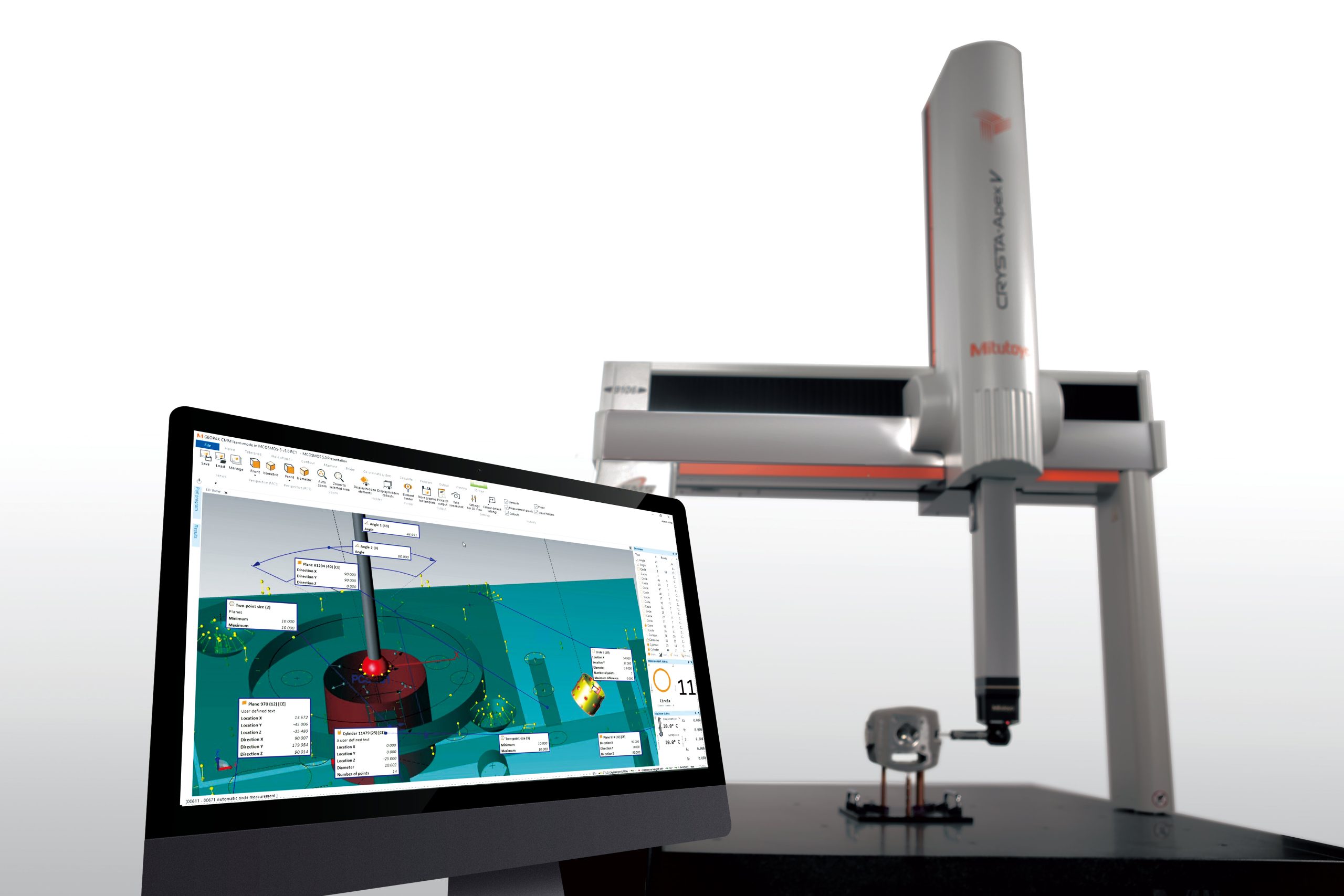
CRYSTA-Apex V500/700/900
The highly versatile CRYSTA-Apex V series CNC Coordinate Measuring Machines offer multi-sensor flexibility with vision, laser, surface finish and scanning probe technologies for fast and accurate measurements.
more information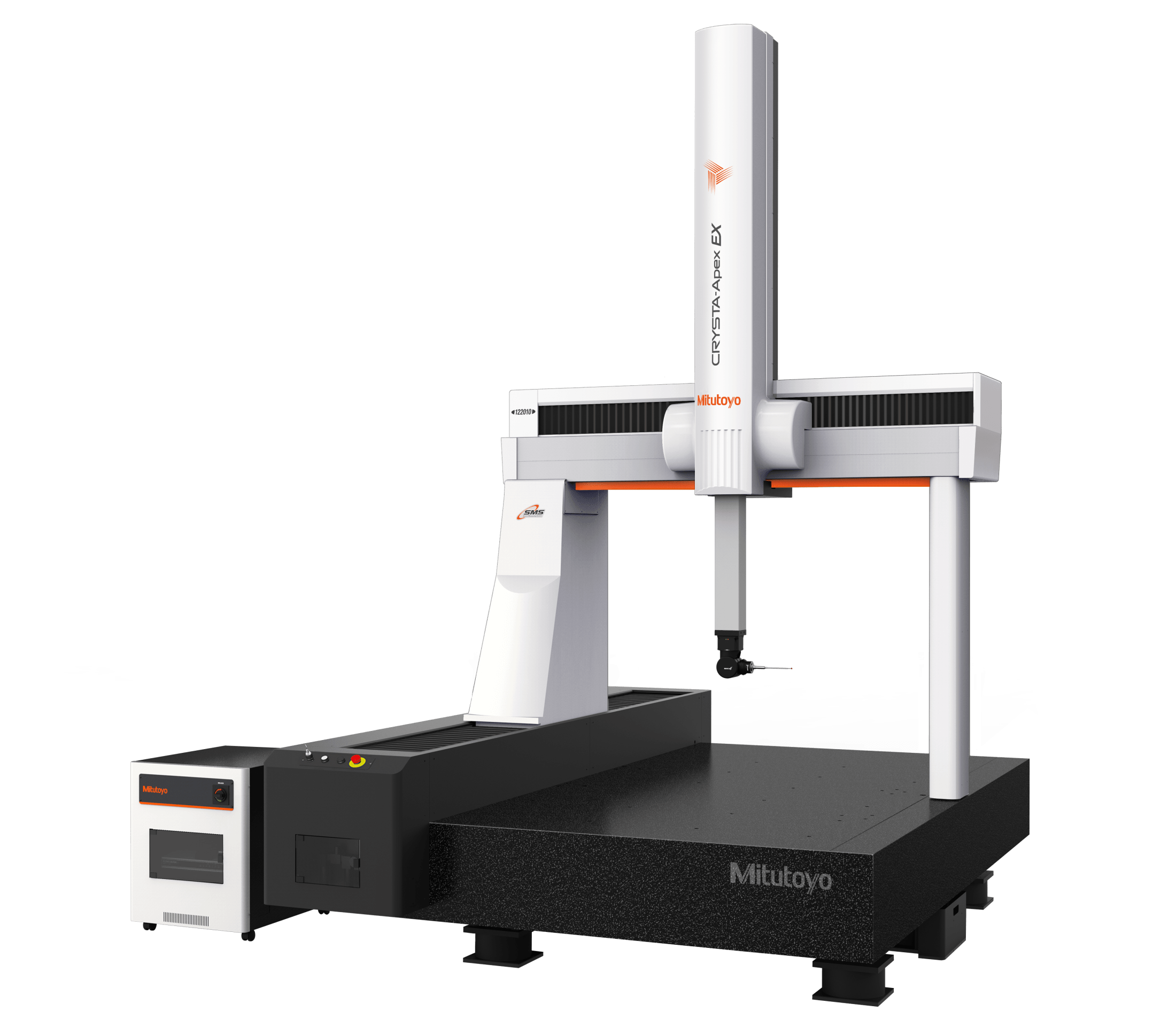
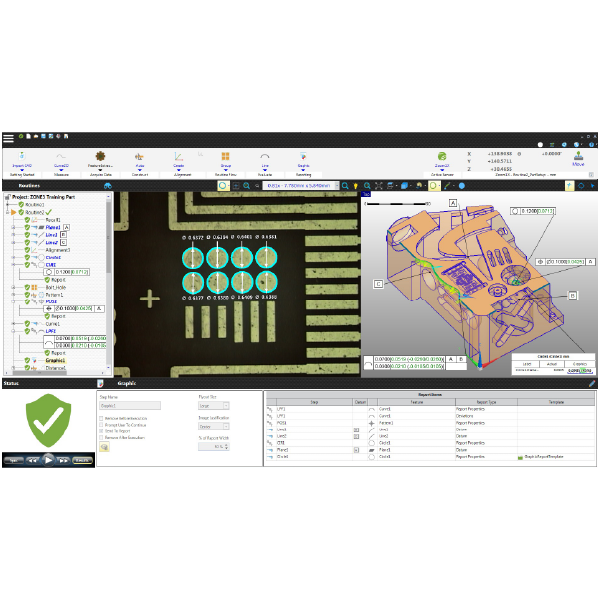
CRYSTA-Apex EX 1200R
The CRYSTA-Apex EX 1200R series is an advanced CNC CMM equipped with the REVO 5-axis scanning probe head. The 5-axis operation allows for faster probe movements and measurements.
more information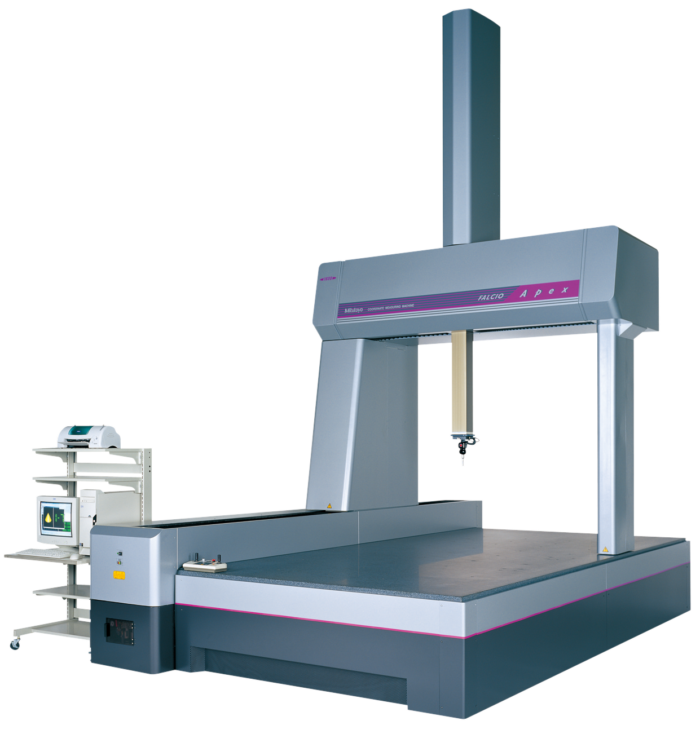
FALCIO-Apex 2000G/3000G/4000G/4500G
The FALCIO-Apex series is a large gantry CNC CMM designed to measure large, heavy pieces with high-accuracy and high-drive speed.
more information
Legex 500/700/900/1200
The Mitutoyo LEGEX Series ultra-high accuracy fixed-bridge CNC CMM is the ultimate in the world’s high-accuracy measurement technology. LEGEX series CMMs are suitable for complex small-to medium-sized workpieces that require dimensional accuracies with small tolerances like gears, bearings, lenses and precision dies.
more information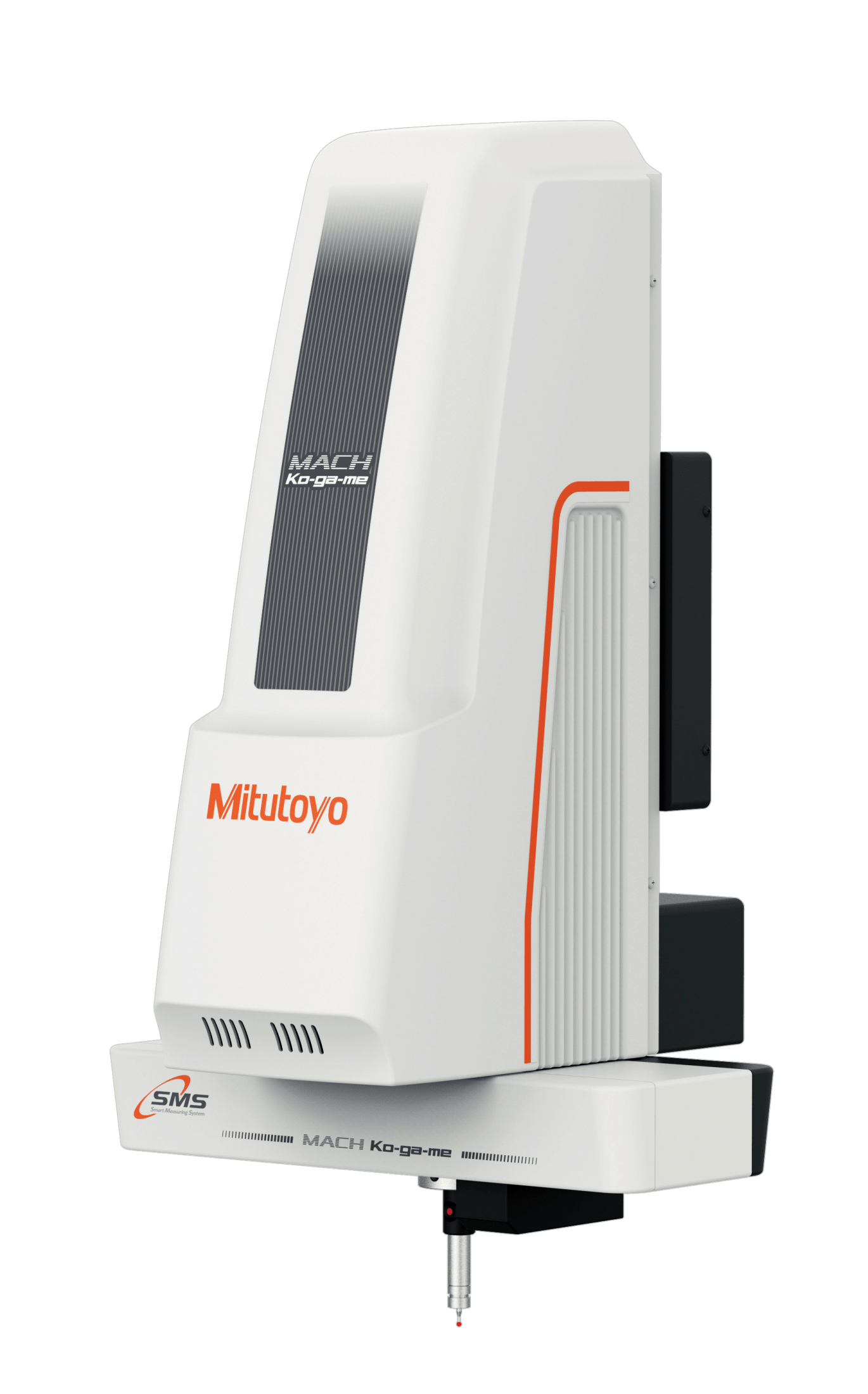
MACH-Ko-Ga-Me
The Mitutoyo MACH Ko-Ga-Me is a compact, in-line/near-line automated 3D CNC CMM configurable for almost any process. Use this measuring system for stand-alone applications or integrate into cells.
more information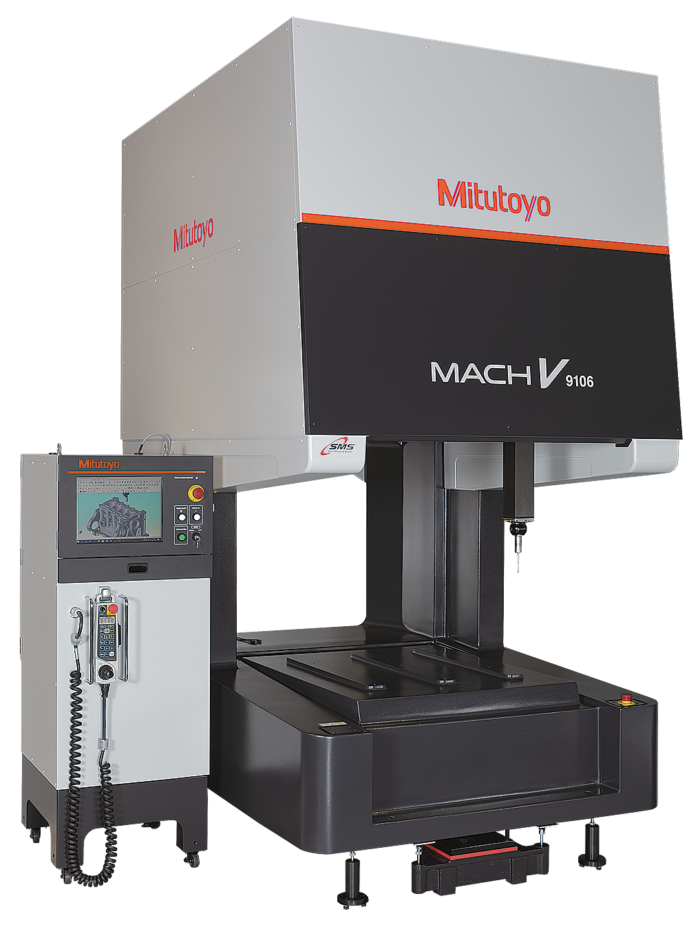
MACH-V
The MACH-V is the world’s fastest vertical axis near-line/in-line CNC CMM making it an optimal, flexible measuring system that replaces dedicated gauge measurement in a production line without sacrificing accuracy.
more information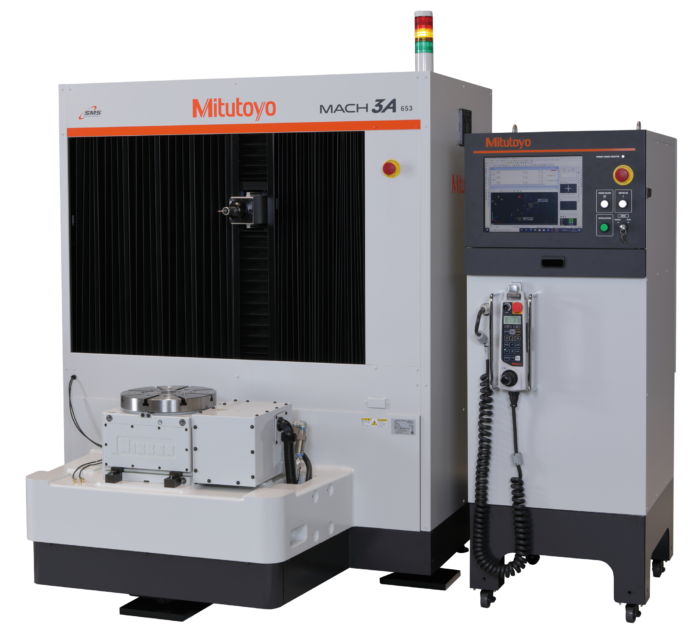
MACH-3A
The MACH 3A CNC CMM is designed for 24-hour operation. This CMM achieves high throughput by increasing drive speed, acceleration and measuring speed, making it one of the fastest horizontal CNC CMMs on the market.
more information
MiSTAR 555
MiSTAR 555 – SHOP FLOOR TYPE CNC CMM
Versatility. Simple Operation. Reduced Footprint Compact Design. Best-in-class Drive Speed & Acceleration. Widest Temperature Accuracy Guarantee for a Shop Floor CMM. Exceptional Contamination Resistance. With the new MiSTAR Series 555 CNC CMM, shop floor precision measurement will never be the same.
more information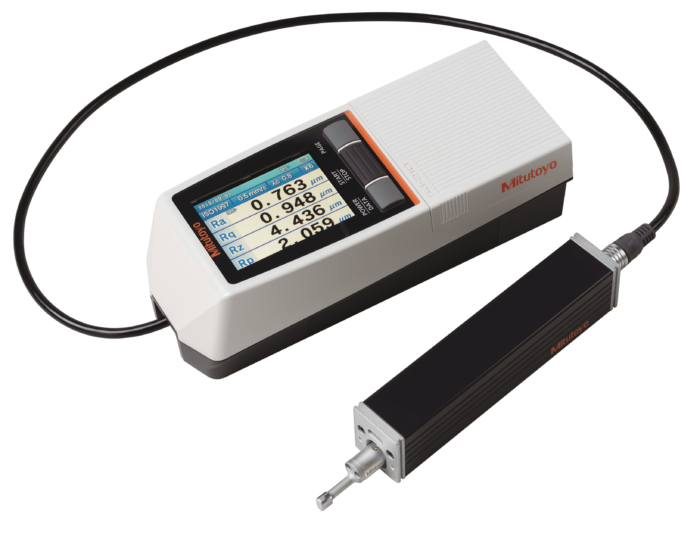
SJ-210 – Portable Surface Roughness Tester
The Surftest SJ-210 surface roughness measuring instrument offers surface roughness measurement in both X and Y-axes.
more information
SJ-310 – Portable Surface Roughness Tester
The Surftest SJ-310 surface roughness measuring instrument is a compact, portable and easy-to-use surface roughness measurement instrument equipped with extensive measurement and analysis features.
more information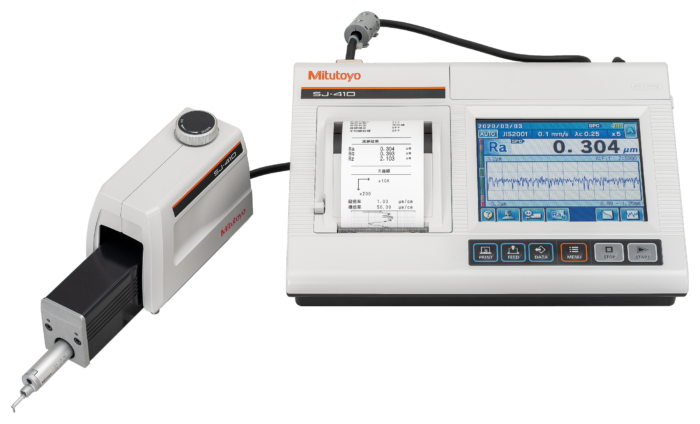
SJ-410 – Portable Surface Roughness Tester
The Surftest SJ-410 surface roughness measuring instrument offers numerous innovative features to provide smoother operation and more accurate measurements in an easy-to-use, portable unit with a high straightness specification of 0.3 – 0.5μm over a traverse length of 25 – 50mm.
more information
SV-3000 CNC – Extreme Type
The Surftest Extreme SV-3000CNC surface roughness measuring instrument increases productivity, efficiency and throughput of multiple profile and measurement tasks. Inclined plane measurements are possible through 2-axis simultaneous control in the X- and Y-axis directions.
more information
Contracer CV-2100 – Contour
The Contracer CV-2100 contour measuring instrument provides remarkable operability and functionality revolutionizing contour measuring machines for faster, easier and more accurate measurements. This measuring instrument’s Z-axis detector measuring range of 50mm accommodates larger workpieces.
more information
FTA-S3000
Rapid measuring unit speeds help make the FTA-S3000 one of the fastest surface roughness testers, available in many different model sizes and three different surface roughness detector holders.
more informationFTA-C3000
New features and software make the FTA-C3000 one of the fastest contour measurement machines in its class with the ability to easily upgrade the machine and make surface roughness measurements as well.
more information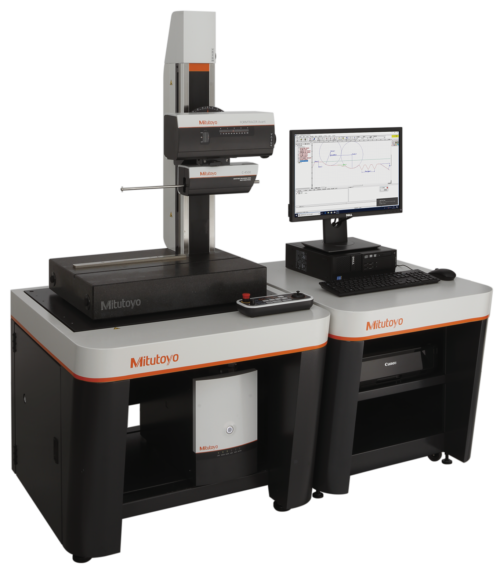
FTA-C4000
A dual-sided stylus and many new features and software makes the FTA-C4000 one of the fastest, most efficient and easy-to-use Contracers on the market.
more information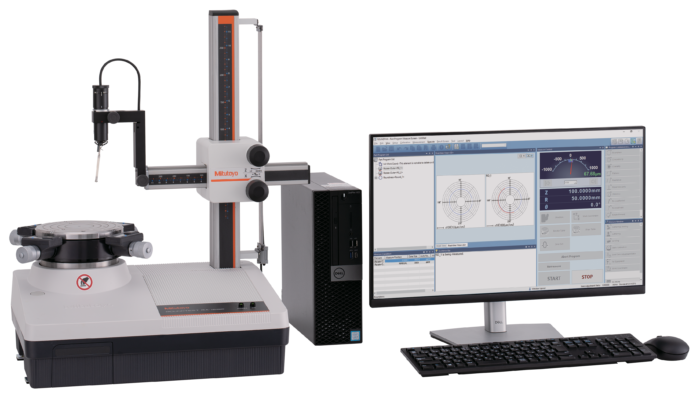
RA-120 /120P – Roundness
The Mitutoyo Roundtest RA-120/120P for compact roundness measurement is compact, affordable, and simple-to-use for measuring part geometry on the shop floor.
more information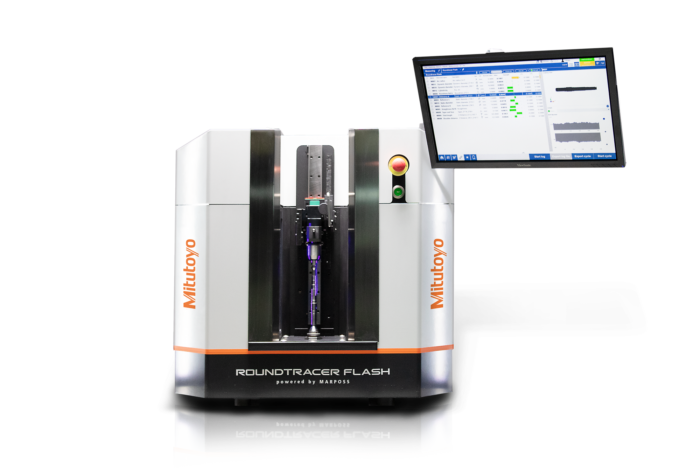
Roundtracer Flash
The Mitutoyo Roundtracer Flash optical measuring unit is capable of measuring parts up to 300mm in length without any vertical movement of the sensors or the part itself.
more information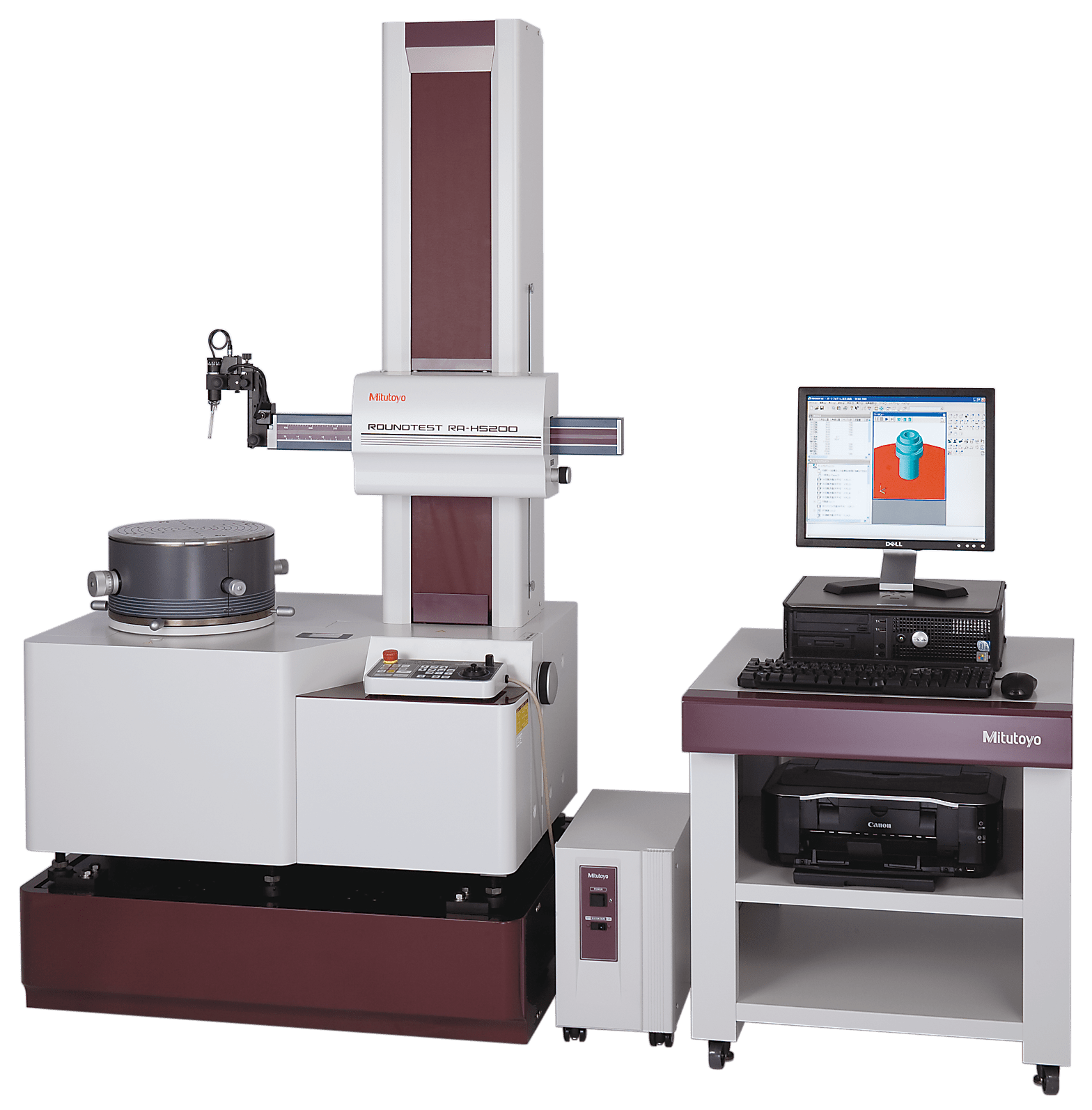
RA-H5200 – Roundness / Cylindricity Capable
The Roundtest RA-H5200 roundness/cylindricity measuring system combines world-class accuracy with superior maneuverability and analytical capabilities for large-size and heavy workpieces.
more information
RA-2200 CNC – Extreme Type
The Roundtest Extreme RA-2200 CNC Roundness, Cylindricity and Surface Roughness Measuring System offers automated measurement with independent and simultaneous multi-axis CNC control.
more information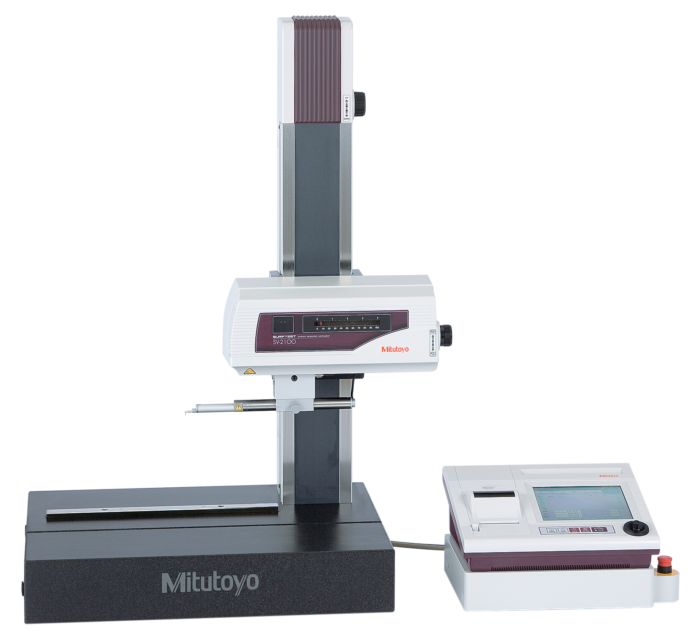
SV 2100 – Dedicated Processor – Column Type
The Surftest SV-2100 surface roughness tester offers easy-to-use benchtop operation with highly precise measurement results.
more information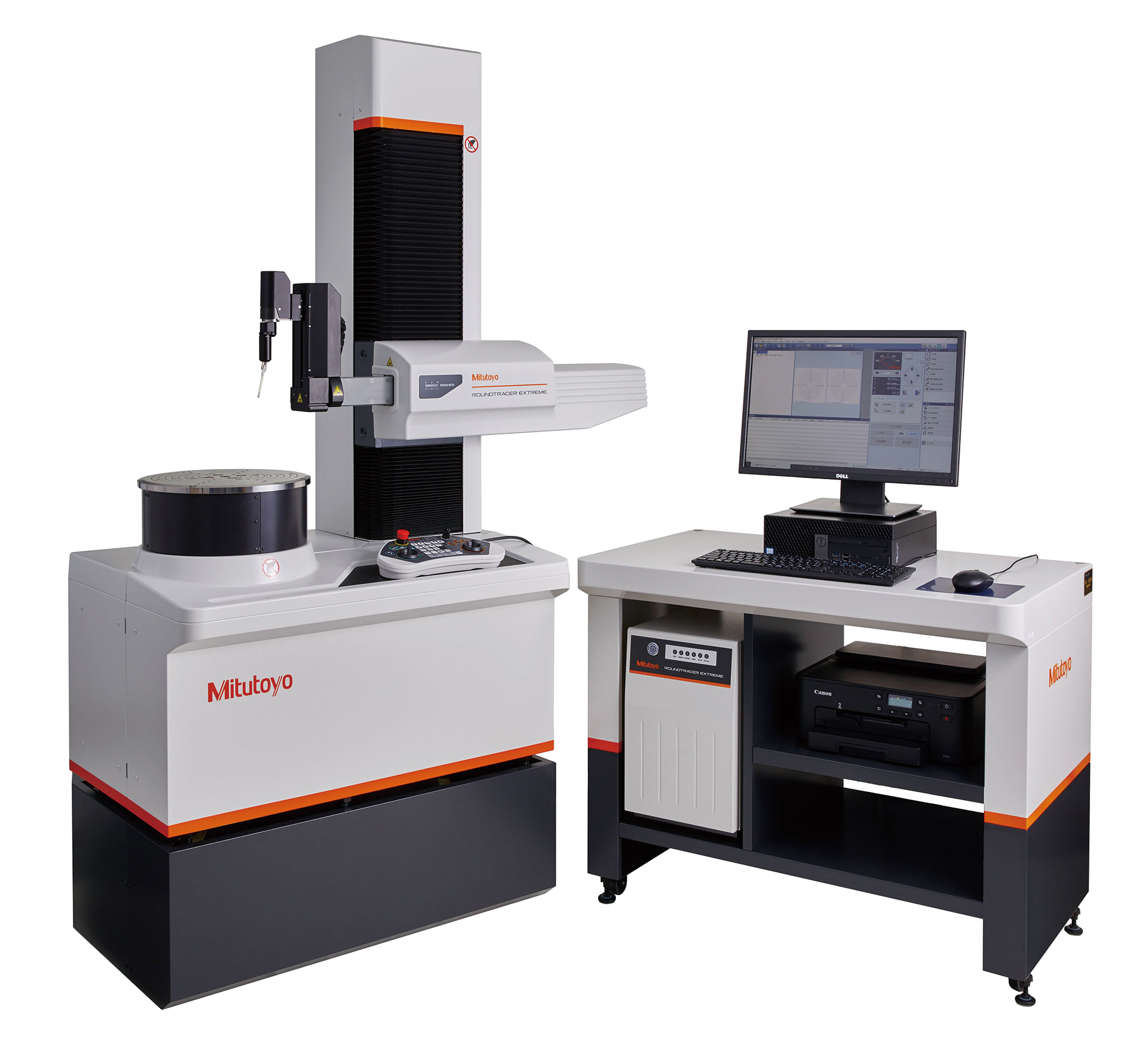
Roundtracer Extreme
The RTX Roundtracer Extreme all-in-one measuring system that integrates roundness, contour and surface roughness measurement functions on a single platform to save time and improve productivity. This advanced CNC machine utilizes speed, accuracy and operability at the highest level to measure a wide variety of workpieces with various geometries, such as camshafts and bearings.
more information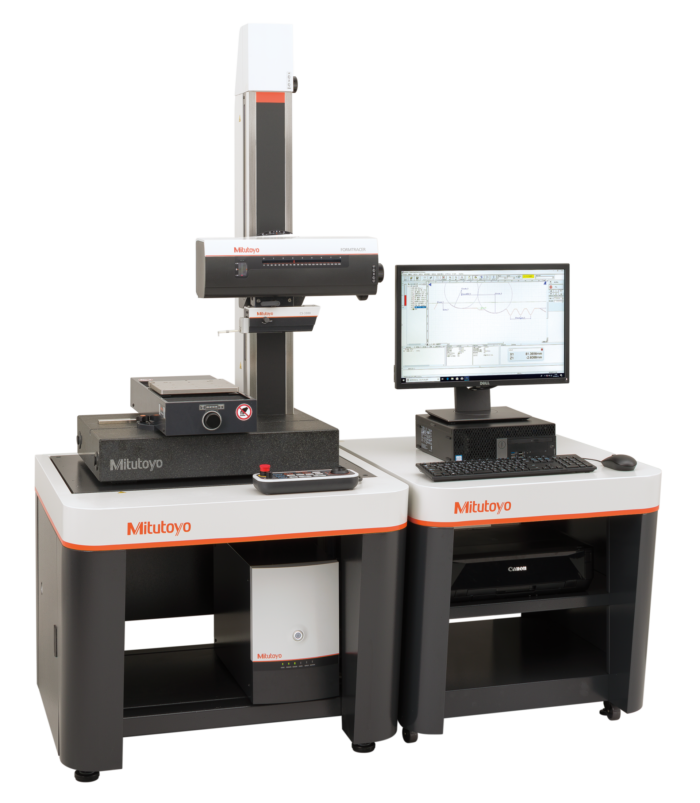
CS-3300 – Singular Detector Type
The Formtracer CS-3300 Series are highly functional and user-friendly surface roughness and contour measuring systems with innovative design features.
more information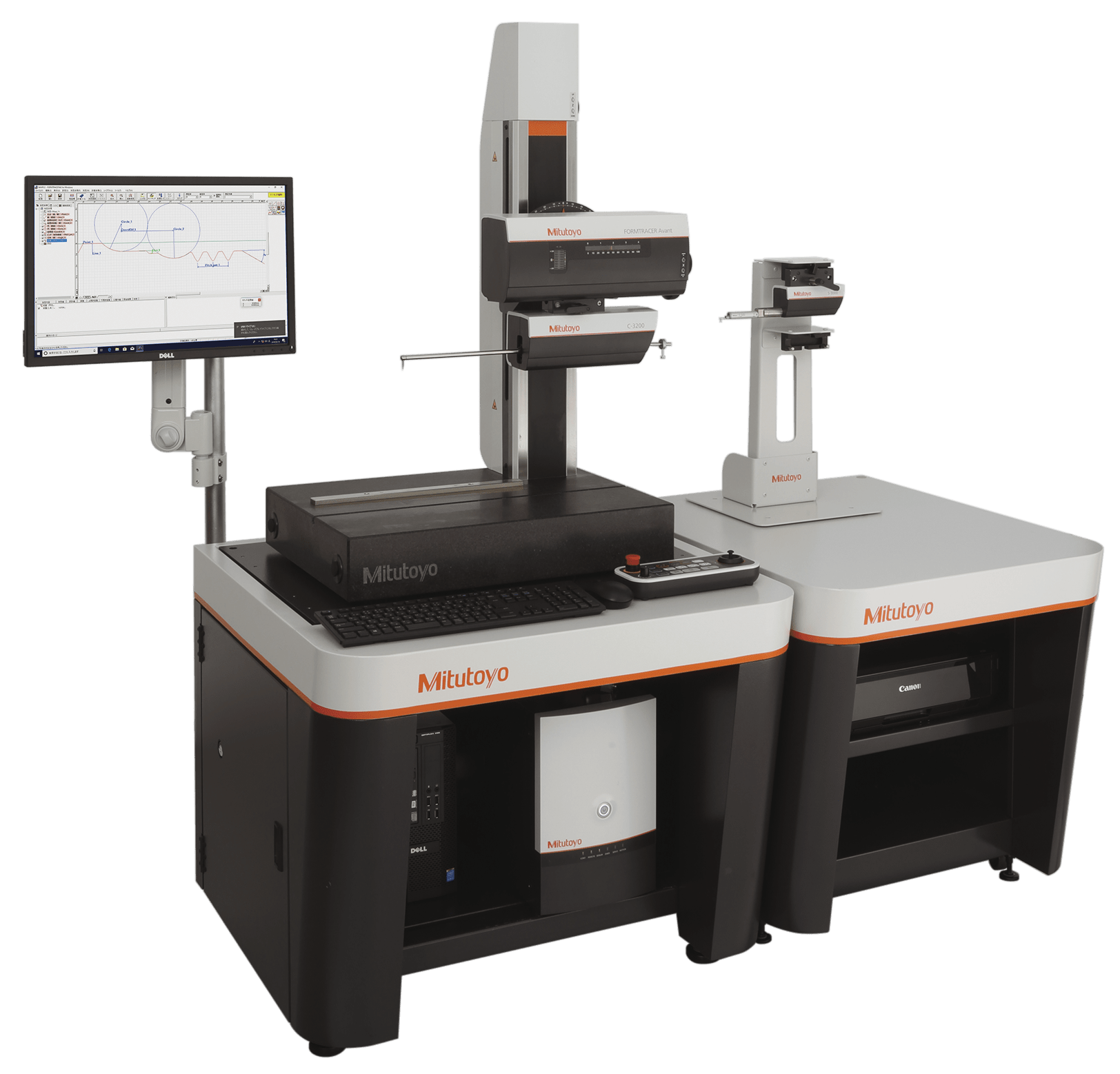
FTA-D3000 – Dual Detector – One Sided Contour Stylus Type
A versatile hybrid dual detector system with a single-sided stylus that makes contour and surface roughness measurements quickly and efficiently. The detector heads are easily swapped to change measurement types.
more information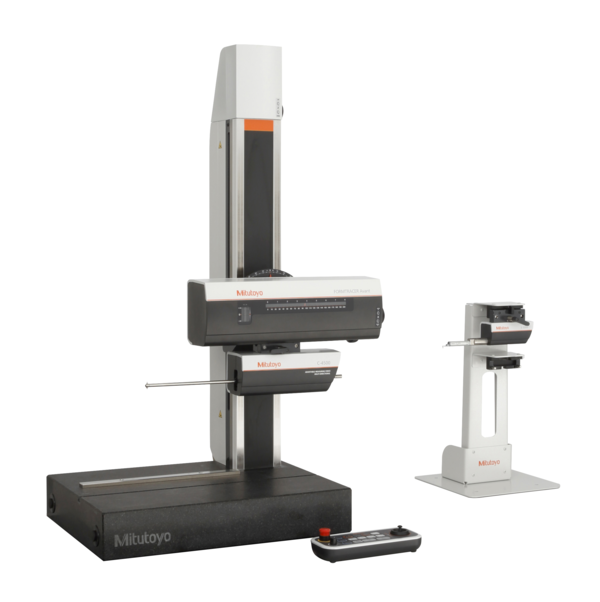
FTA-D4000 – Dual Detector – Dual-sided Contour Stylus Type
Hybrid dual detector, dual-sided contour stylus type and surface roughness measuring system with better measurement speed and efficiency, automation for easier operability, a wide variety of features, and expandability with optional detectors.
more information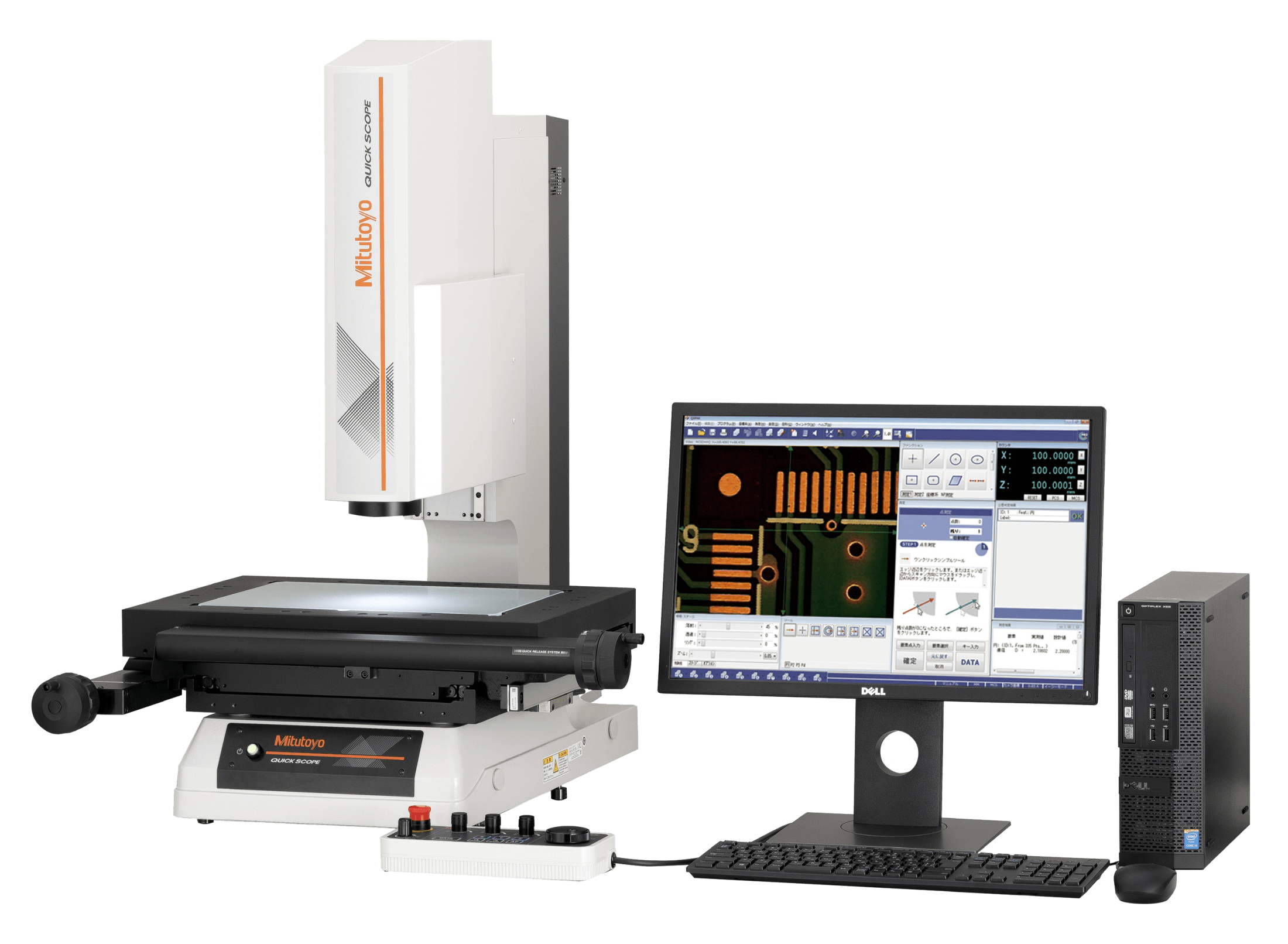
Quick Scope – Digital Microscopes
The Quick Scope series digital microscope with new optical technology provides industry leading vision measurement accuracy with easy-to-use, intuitive software for any operator. The Quick Scope is a manual system with high-speed, high-accuracy optical auto-focus for 3D measurements.
more information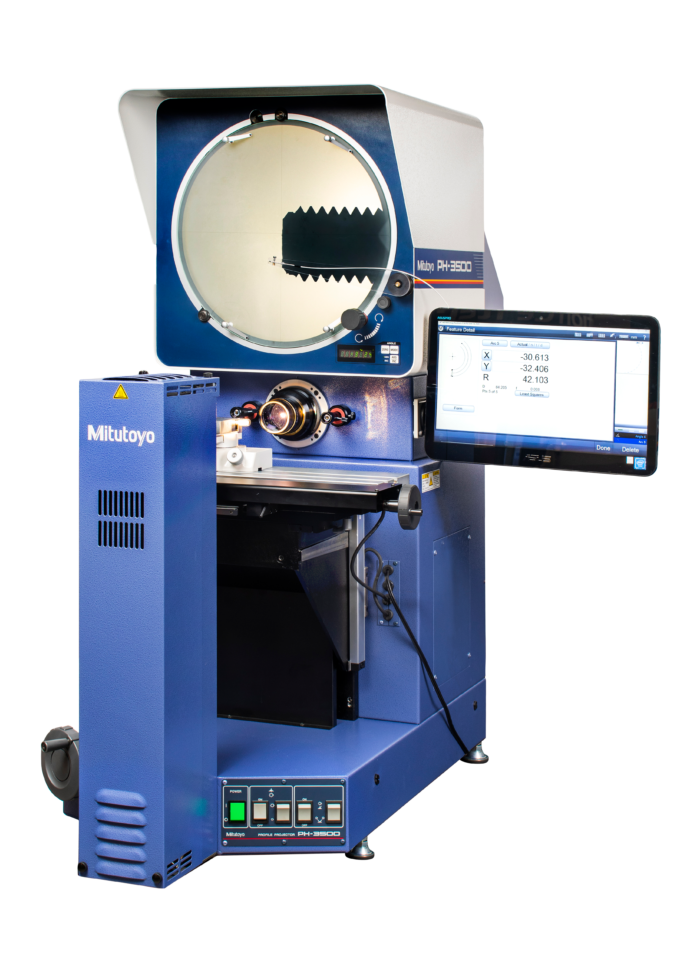
PH-3515 Profile Projector
The PH-3515F profile projector provides upright images suitable for thread pitch measurements and will not produce blurred or distorted images with the workpiece is angled.
more information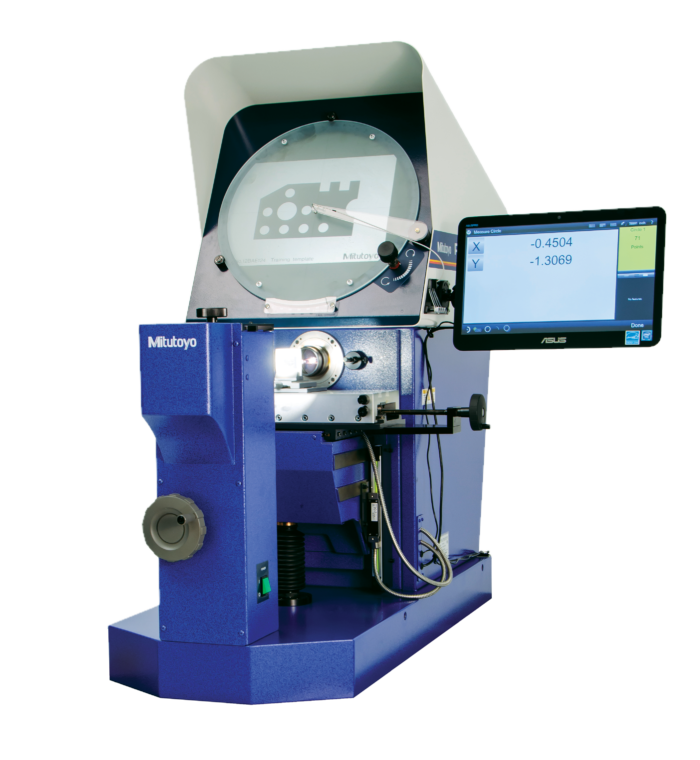
PH-A14 with M2 2D
more information
Manual Quick Image
The manual Mitutoyo Quick Image is a simple-to-operate, easy-to-use 2D Vision Measuring System that provides unique features and measures over a large range with stitching (up to 400mm) for improved measurement efficiency and productivity.
more information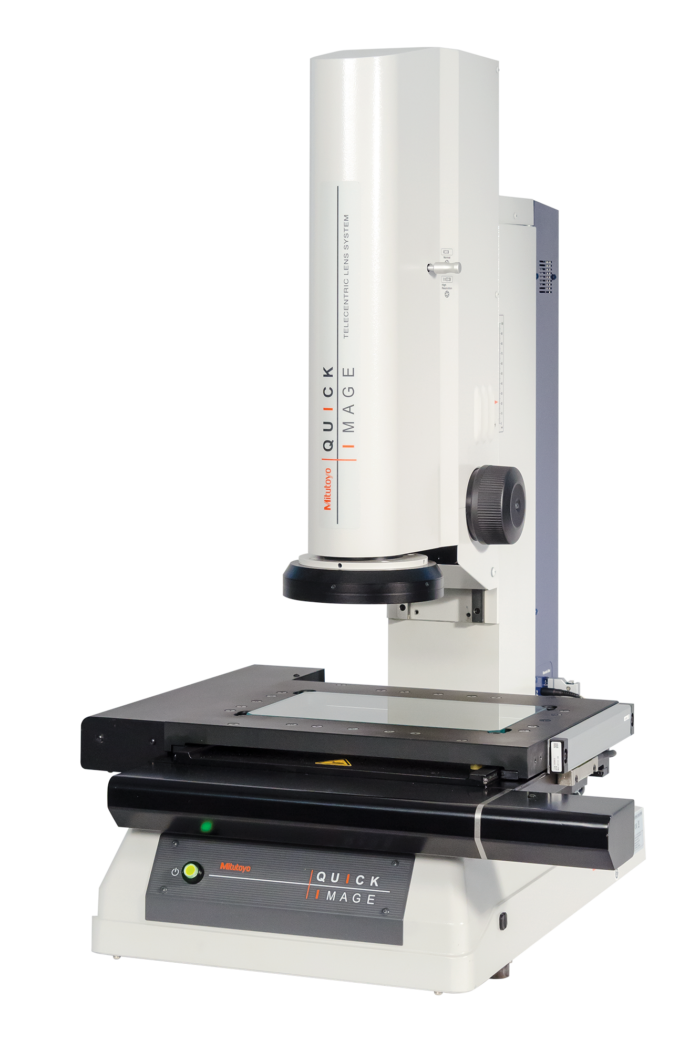
Motorized Quick Image
The motorized Mitutoyo Quick Image is a simple-to-operate, easy-to-use 2D Vision Measuring System that provides unique features and measures over a large range with motorized image stitching (up to 300mm) for improved measurement efficiency and productivity.
more information
Quick Vision Active
The Mitutoyo Quick Vision Active measuring system produces highly accurate, fast non-contact 3D measurements in a compact machine at an affordable price point.
more information
Quick Vision Ultra
The Mitutoyo Quick Vision Ultra CNC Vision Measuring System is designed and constructed to provide some of the most accurate measurements from a vision measuring system.
more information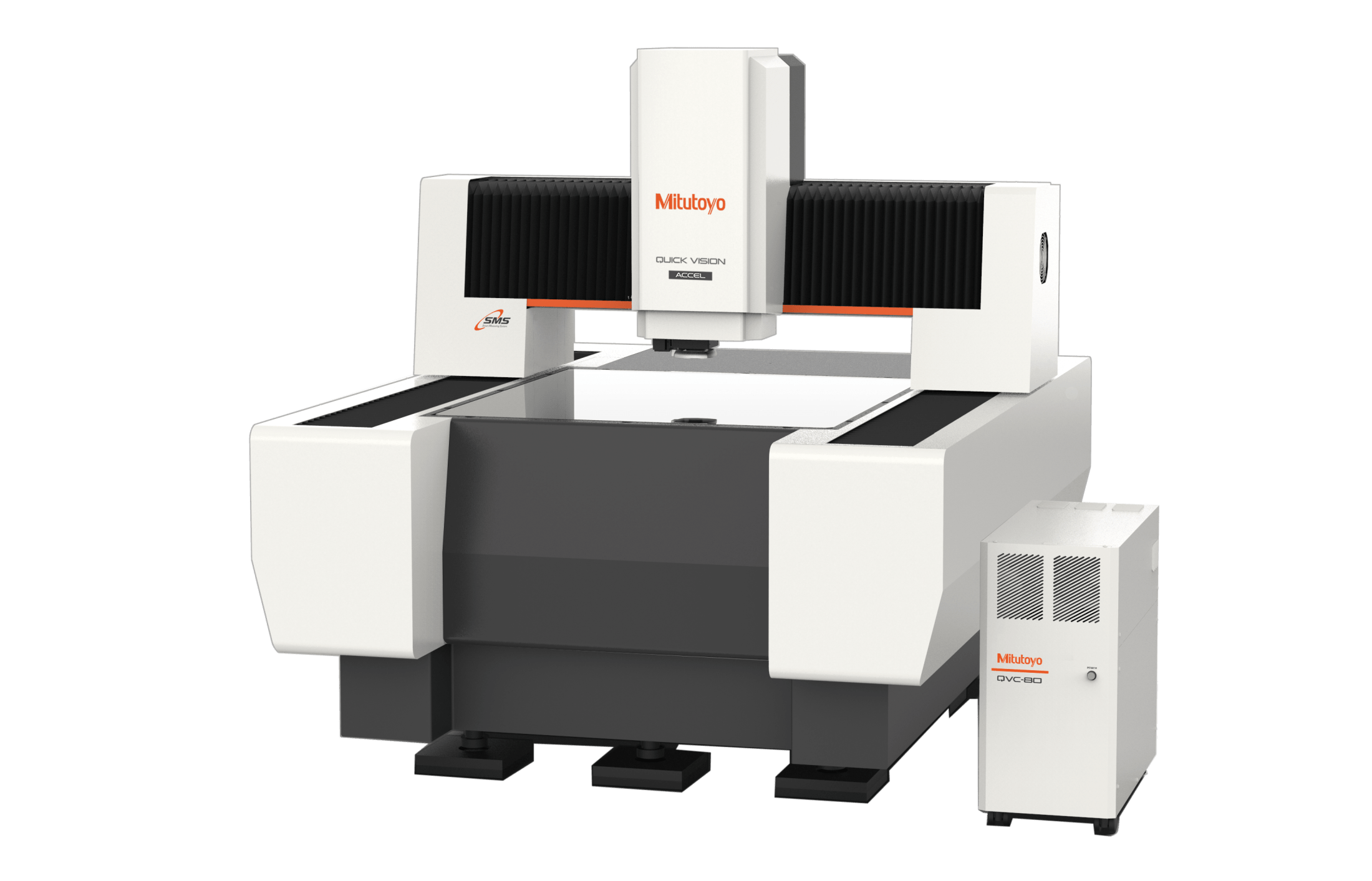
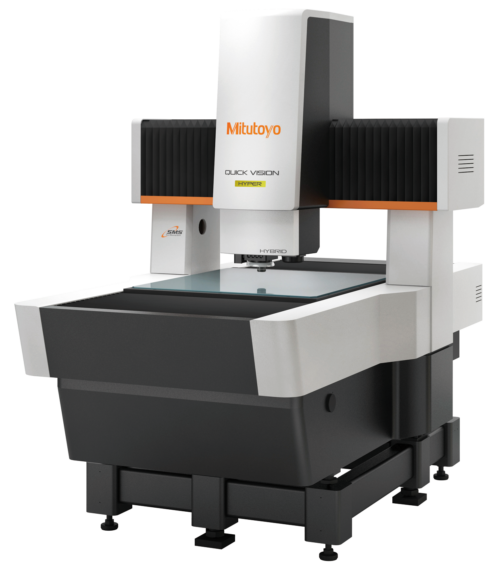
Quick Vision Hyper Pro
The Mitutoyo Quick Vision Hyper Pro CNC vision measuring system is equipped with a high-resolution/high-accuracy scale for precise 3D measurements with an increased measurement throughput by about 40% compared with conventional models.
more information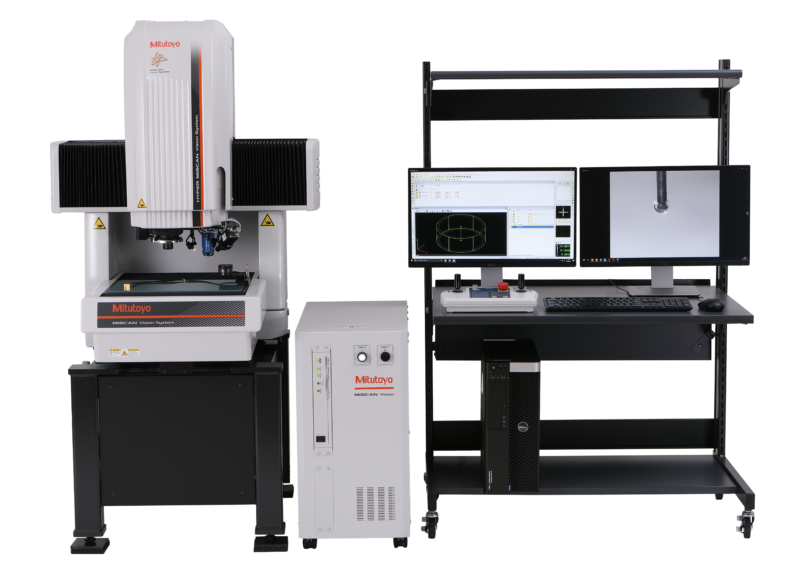
MiScan Apex
The Mitutoyo MiScan Apex is a highly accurate, multiple sensor microscopic-form measurement system and combines the advantages of both a vision machine and a scanning CMM into a single platform.
more information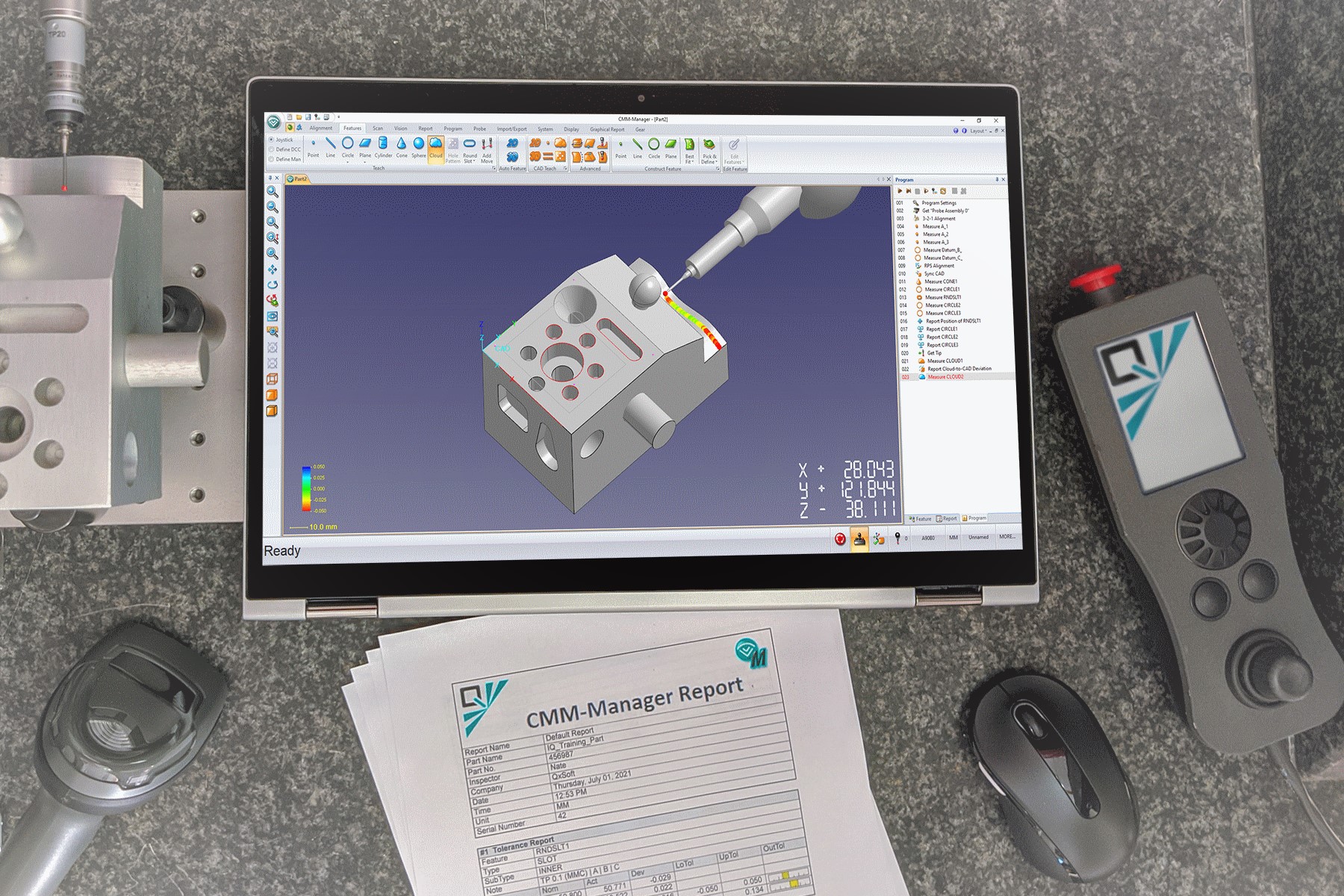
CMM-Manager
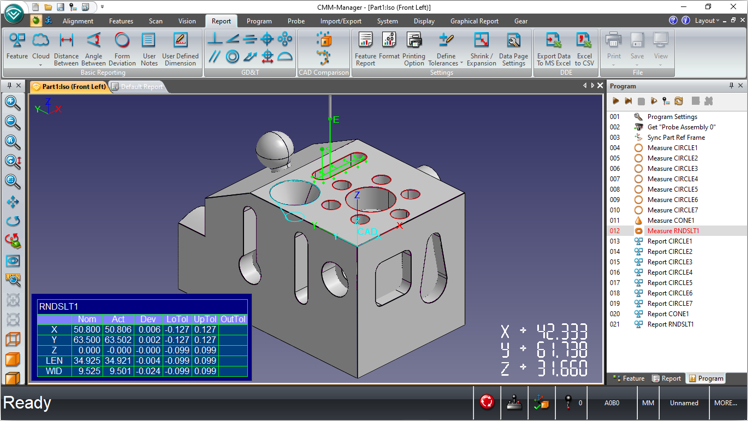
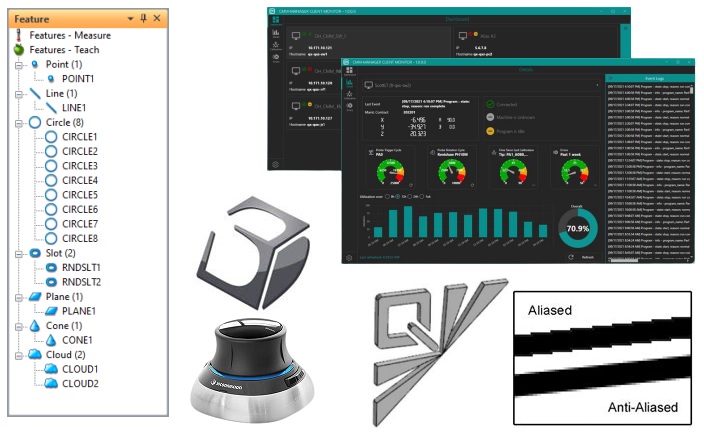
CMM-Manager by QxSoft is a task-oriented, highly intuitive, 3D CAD based, software package for any CMM. Software is available for both new and existing CMM hardware. We offer software for vision, manual, portable, and CNC coordinate measuring machines. Avoid costly hardware retrofits, our software connects directly to your existing CMM or Metrology equipment by plug-n-play retrofit.
more information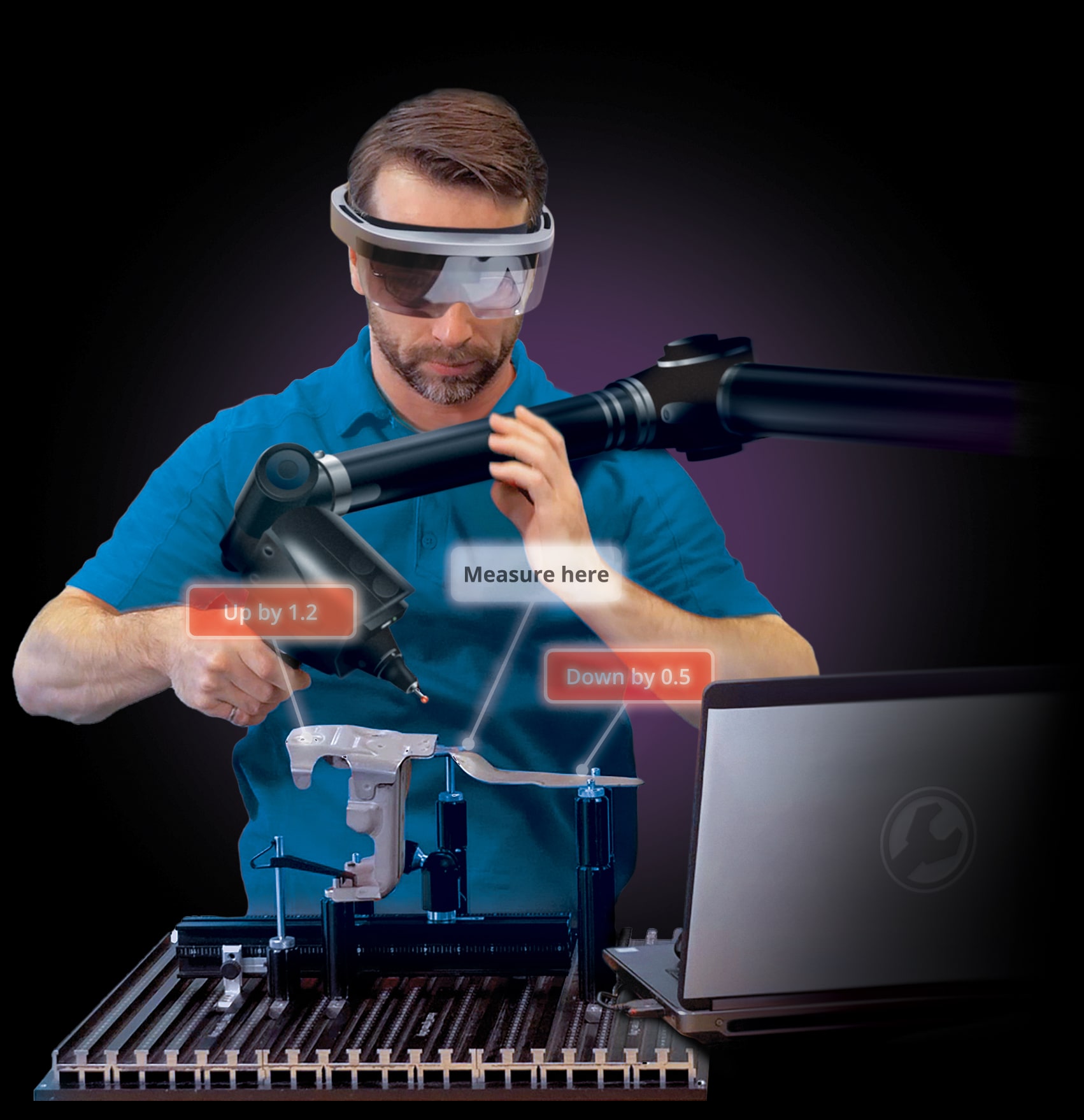
PolyWorks AR
The mixed reality solution that enhances your perception of 3D metrology
more information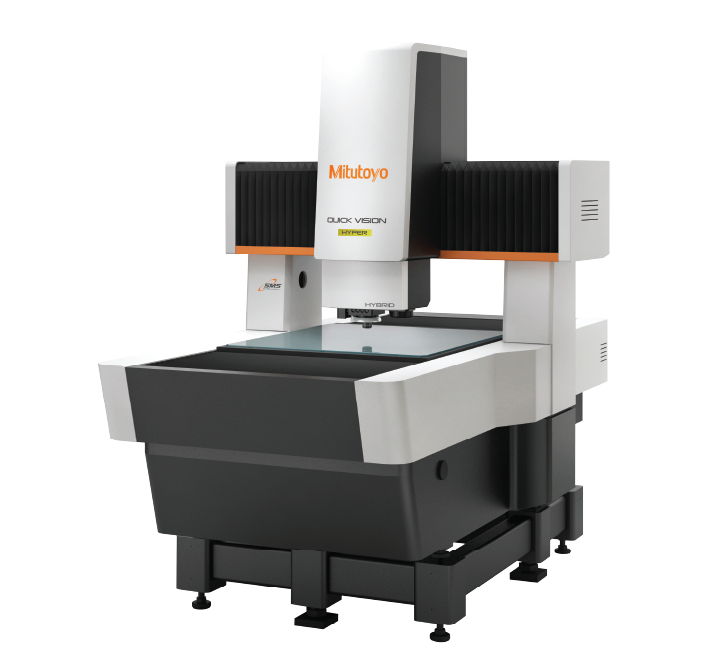
Quick Vision Hyper Pro Hybrid Type 4
The Quick Vision Hyper Hybrid Pro Type 4 vision measuring machine uses a dual scanning system with a non-contact displacement sensor and scanning function that enables measurement of minute height differences and 3D shapes at high speeds.
more information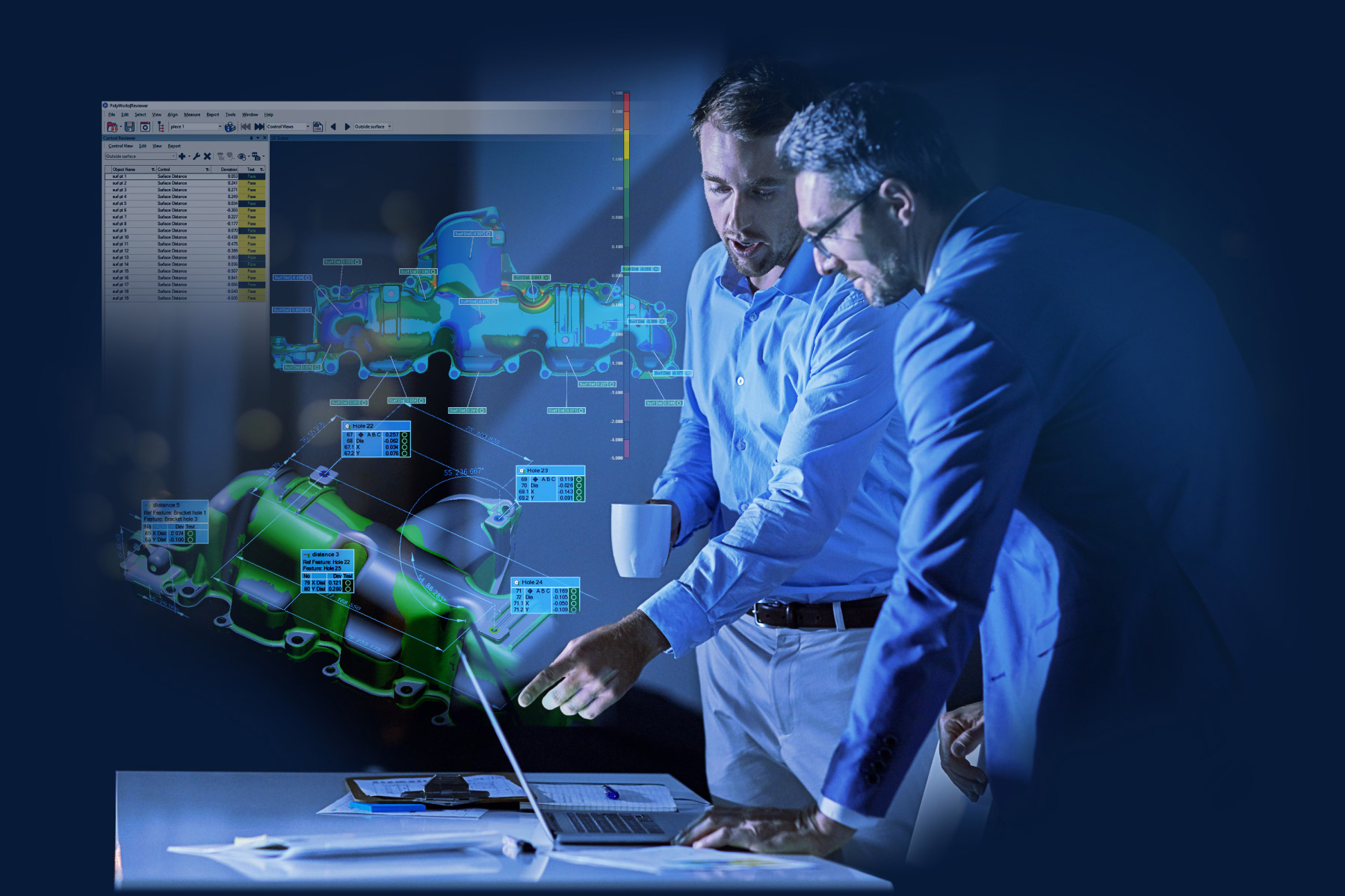
PolyWorks Reviewer
The free 3D dimensional investigation solution that brings 3D measurement results in the hands of your engineering and manufacturing teams
more information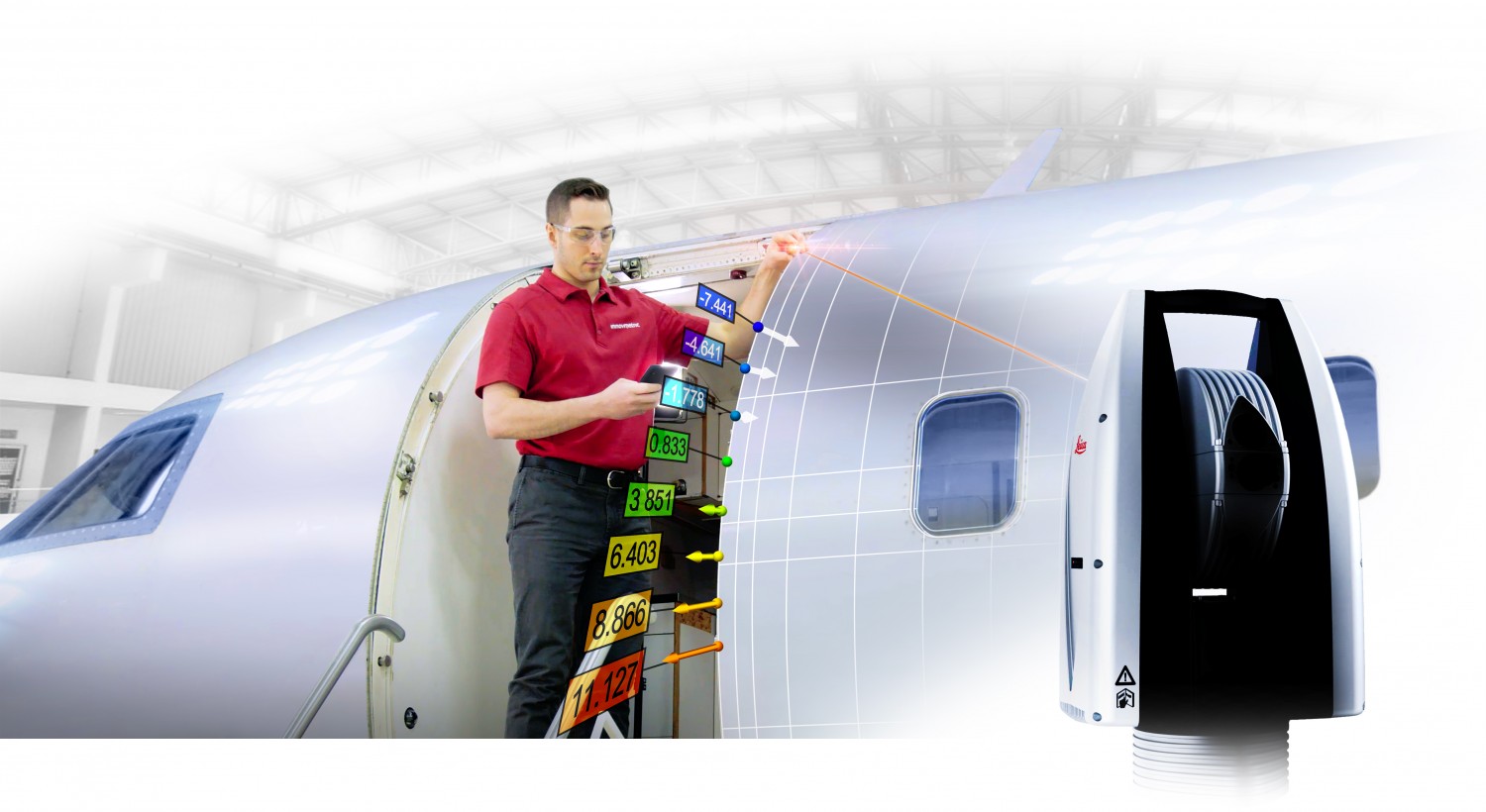
PolyWorks Talisman
The smart remote control for PolyWorks|Inspector™ that boosts measurement efficiency on the shop floor
more informationOffline Seat
- Create Programs without interrupting CMM.
- 50% Discount from comparable Online Seat.
- Review Report and Feature Data from previously run Programs.
- Import Help Desk File to replicate Online Environment.
- Teach DCC or Manual Features by CAD Pick or Key-In Values.
- Automatic / Collision Free, Clearance Plane or Local Path Planning.
- Create and Share Programs to DCC, Manual or Portable Equipment.
- Add USB Dongle or Network License for multi-workstation access.


Native CAD Import
more information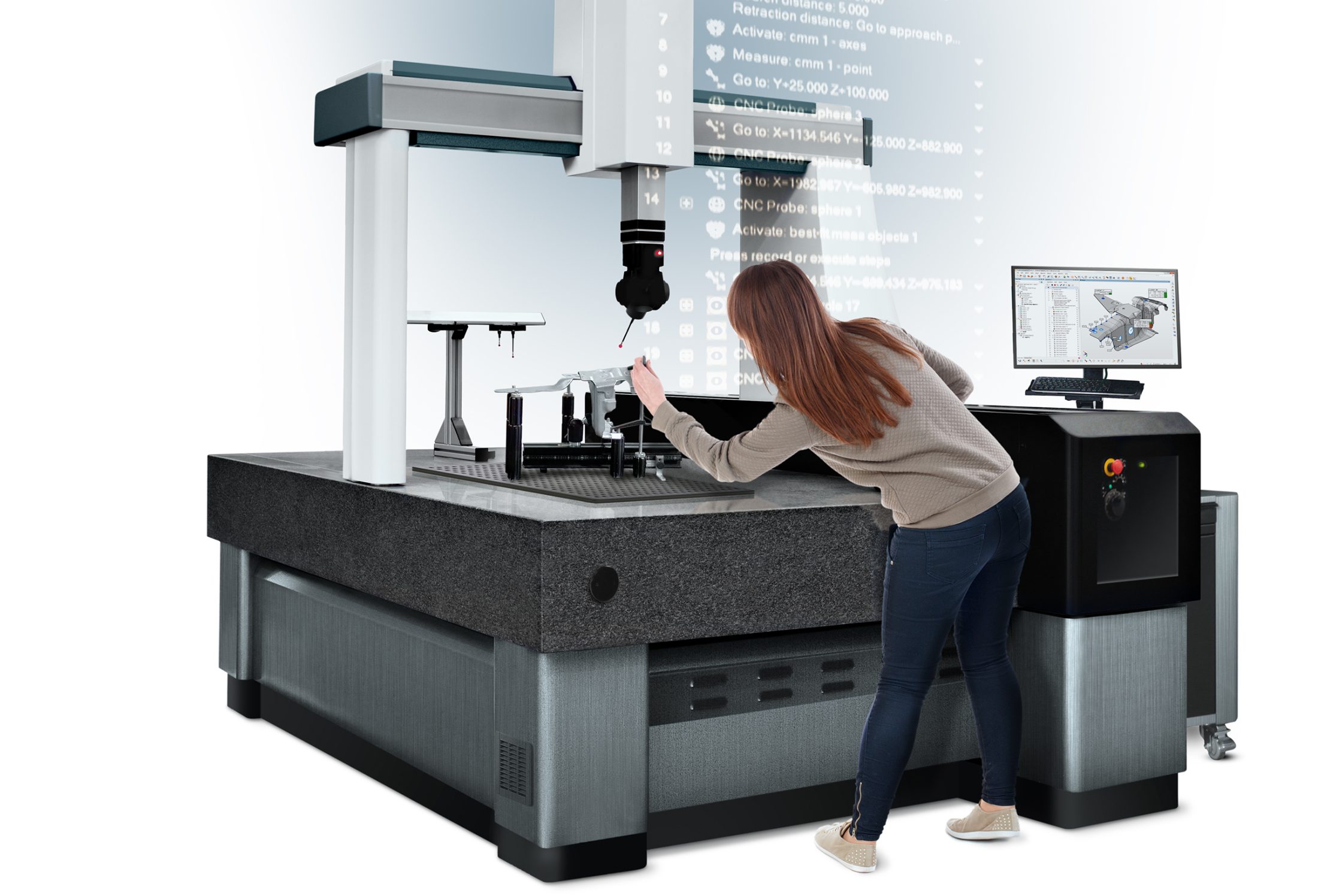
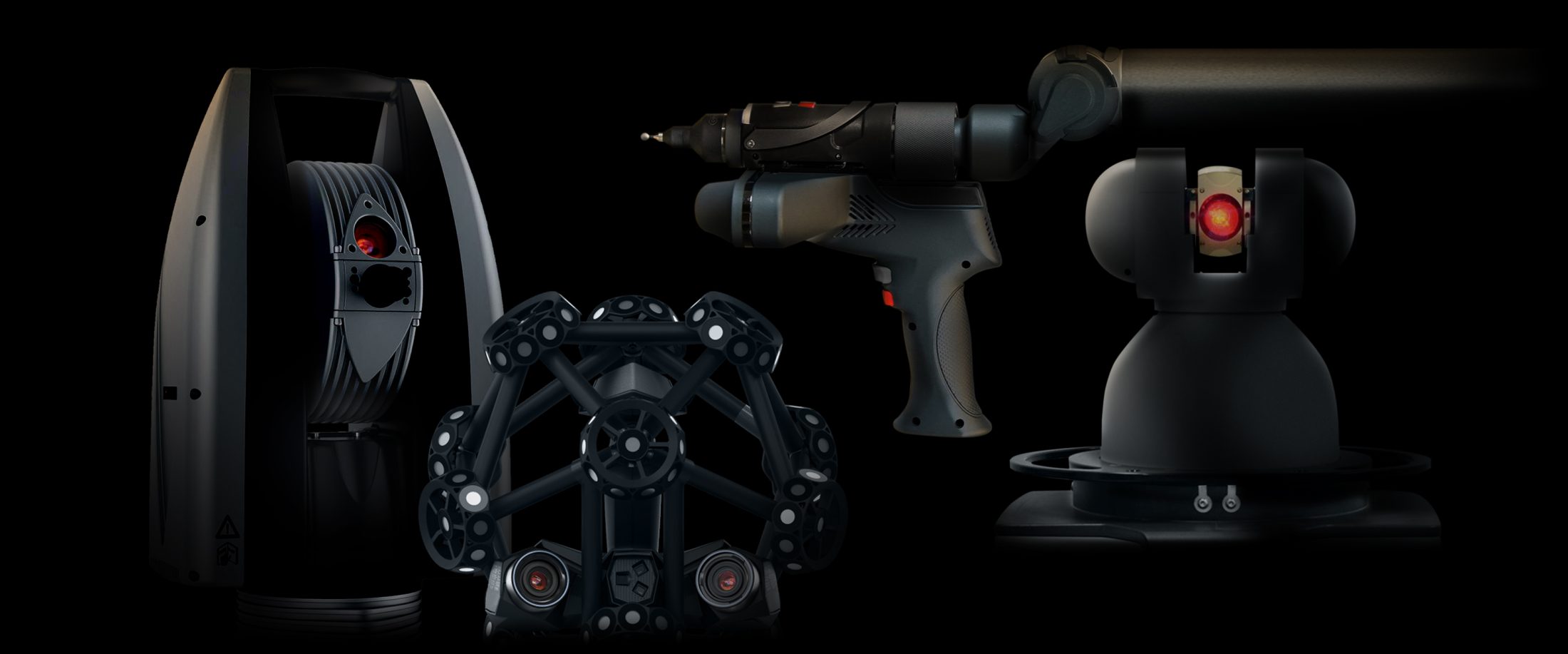
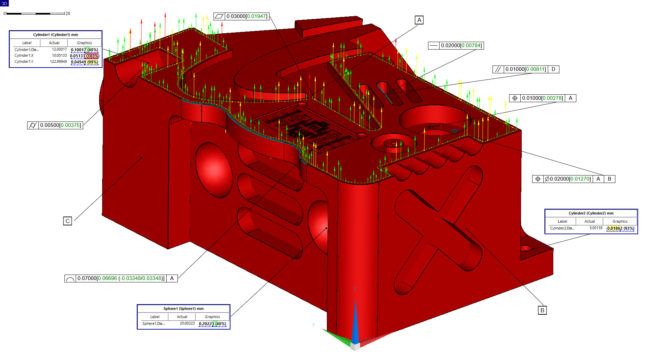
PolyWorks Inspector
The 3D dimensional analysis and quality control solution to gain control of your product engineering and manufacturing process
more information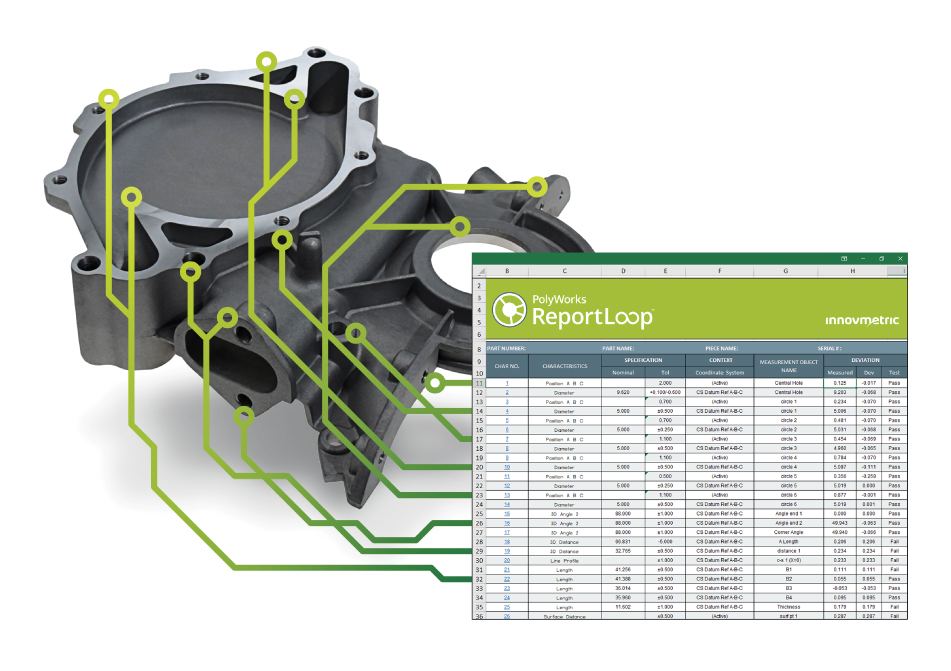
PolyWorks ReportLoop
The digital interoperability solution that integrates inspection data in Excel for reporting and advanced analysis
more information

SNAP 350
The SNAP™ 350 is a floor-based unit equipped with a Large FOV Telecentric lens and a motorized stage with a large 450 x 450 mm measuring area. Dual-Mag optics increase capability by providing a much larger magnification range, even within a program.
Measure-X™ metrology software supports simple “walk up and measure” use, comparison to an electronic overlay, creation and running of automatic programs, including complex measurements and GD&T. AutoID limits operator requirements.
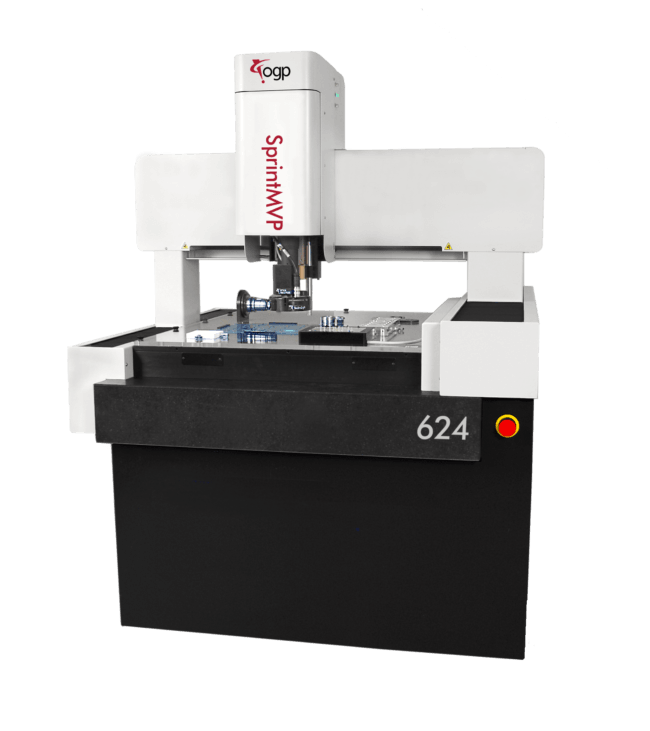
SprintMVP 624
With a massive granite base for stability, SprintMVP™ 624 is a fully automatic, 3-axis dimensional video measuring machine designed to handle large, heavy parts and fixtures. SprintMVP 624’s moving bridge design allows all measurement sensors to be moved out of the way for part loading/unloading.
more information
SprintMVP 1550-1552
SprintMVP™ 1500-1552 floor model measurement systems offer fully automatic, non-contact video measurement for very large parts or groups of parts. An impressive list of standard features, including solid granite bases, make these systems a great value and are ideal for accurate, repeatable measurements.
more information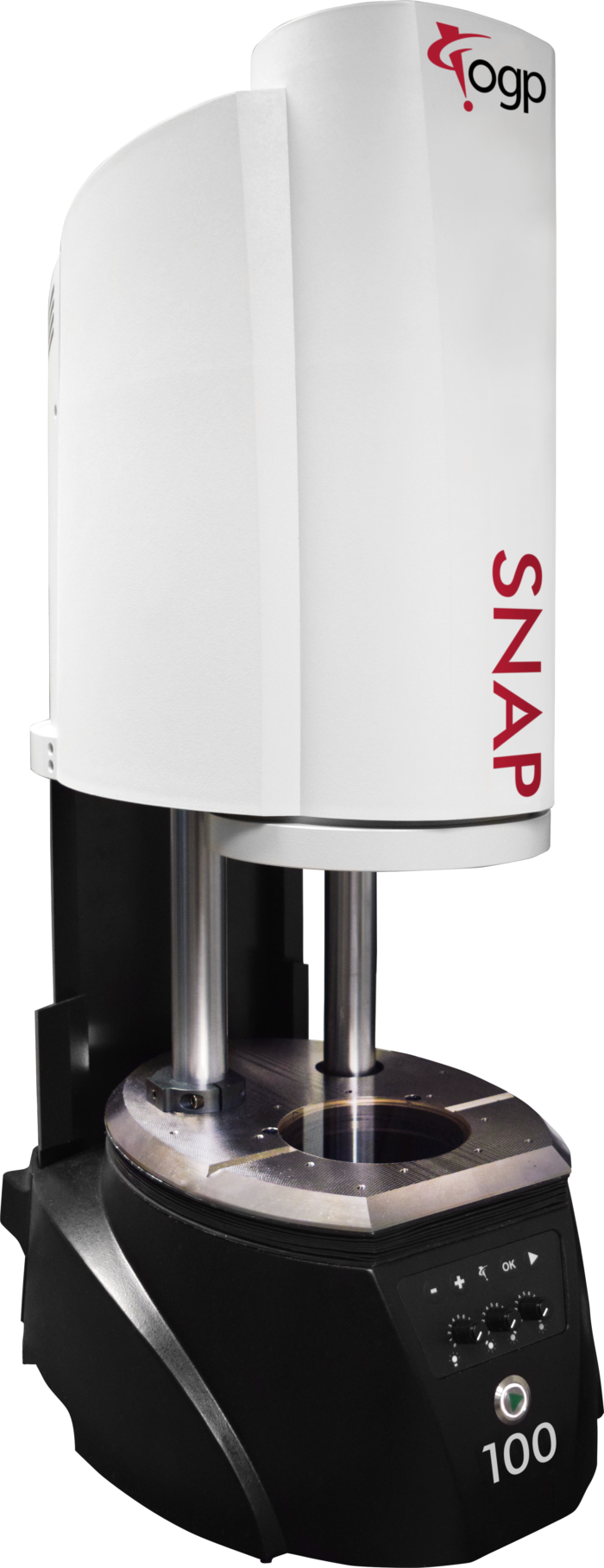
SNAP 100
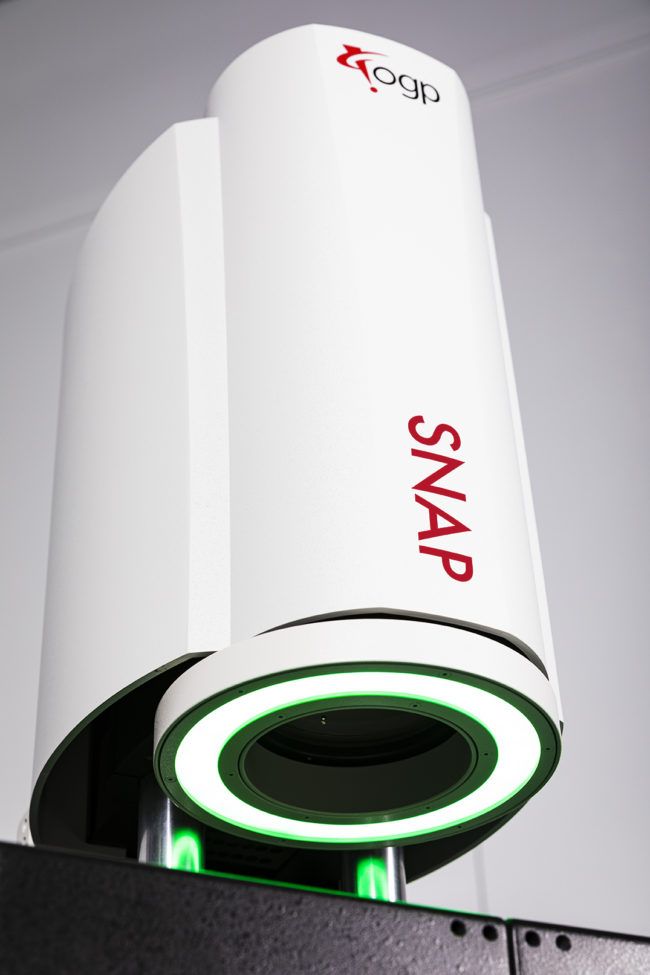
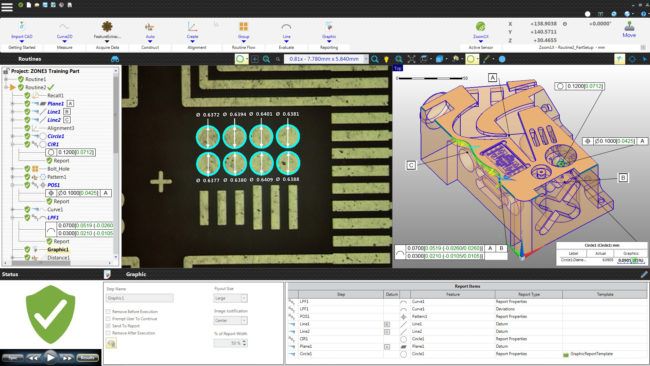
The SNAP™ 100 is a compact unit equipped with a Large FOV Telecentric lens and a fixed stage with a 62 mm x 46 mm measuring area. Measure-X™ metrology software supports simple “walk up and measure” use, comparison to an electronic overlay, creation and running of automatic programs, including complex measurements and GD&T. AutoID limits operator requirements.
more information
SNAP 200
The SNAP™ 200 is a compact unit equipped with a Large FOV Telecentric lens and a motorized stage with a 250 x 100 mm measuring area. Dual-Mag optics increase capability by providing a much larger magnification range, even within a program. Measure-X™ metrology software supports simple “walk up and measure” use, comparison to an electronic overlay, creation and running of automatic programs, including complex measurements and GD&T. AutoID limits operator requirements.
more information
SNAP 300
The SNAP™ 300 is a compact unit equipped with a Large FOV Telecentric lens and a motorized stage with a 250 x 150 mm measuring area. Dual-Mag optics increase capability by providing a much larger magnification range, even within a program. Measure-X™ metrology software supports simple “walk up and measure” use, comparison to an electronic overlay, creation and running of automatic programs, including complex measurements and GD&T. AutoID limits operator requirements.
more information
Fusion 600
Fusion® 600 systems from OGP® are 3D capable, high accuracy large field-of-view (LFOV) multisensor floor model systems with an expansive measuring range of 600 x 560 x 300 mm.
more information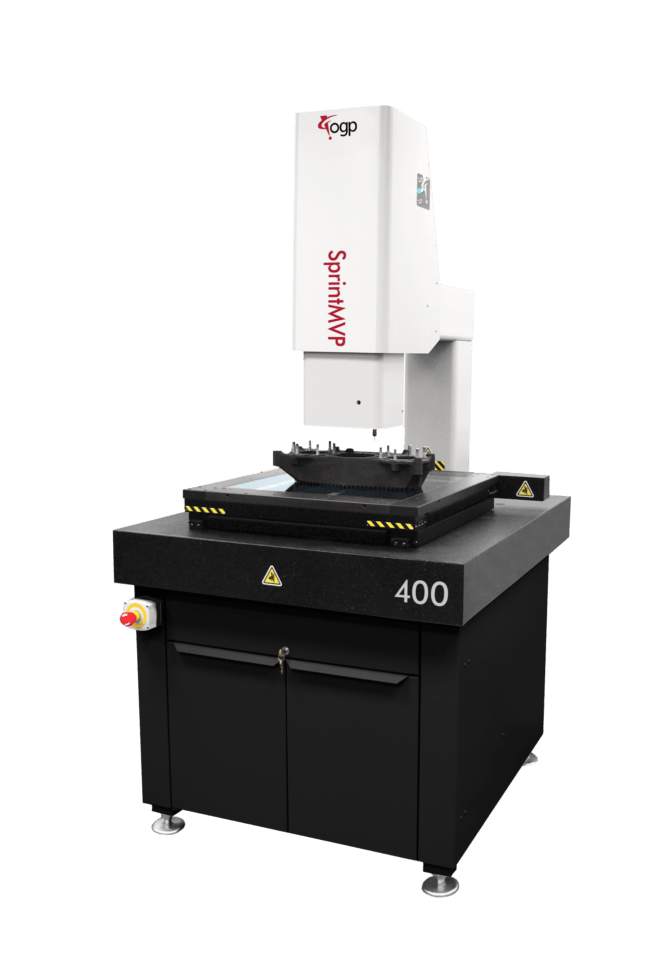

SprintMVP 400 & SprintMVP 600
SprintMVP 400 and SprintMVP 600 systems are large capacity, fully automatic, 3-axis dimensional video measuring systems featuring high precision and capacity in a compact footprint. SprintMVP 400 and 600 feature heavy-duty construction and stable materials for use in harsh shop-floor conditions.
more information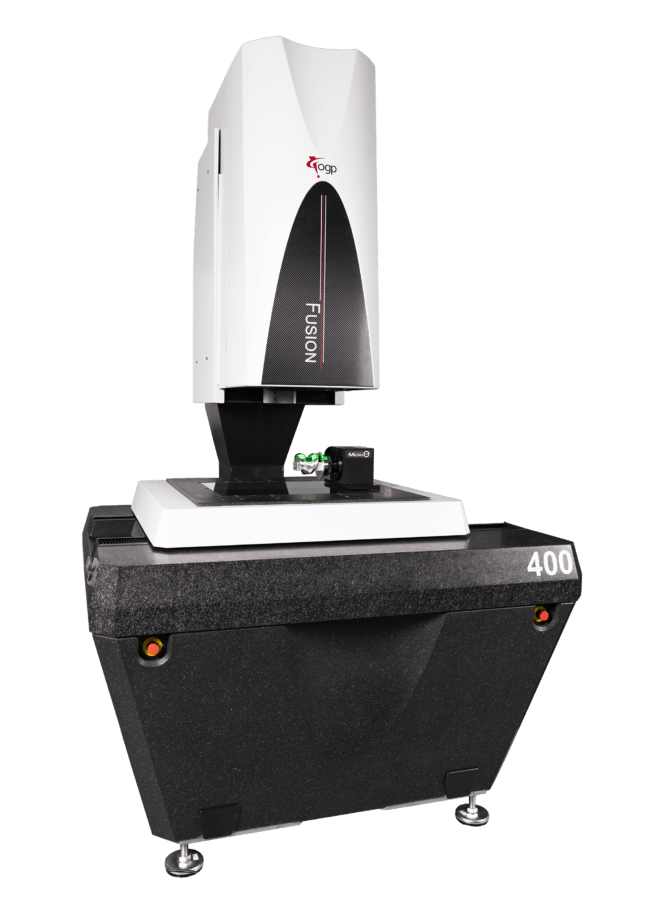
Fusion 400
Fusion® 400 systems from OGP® are 3D capable, high accuracy large field-of-view (LFOV) multisensor floor model systems with a measuring range of 400 x 300 x 250 mm.
more information
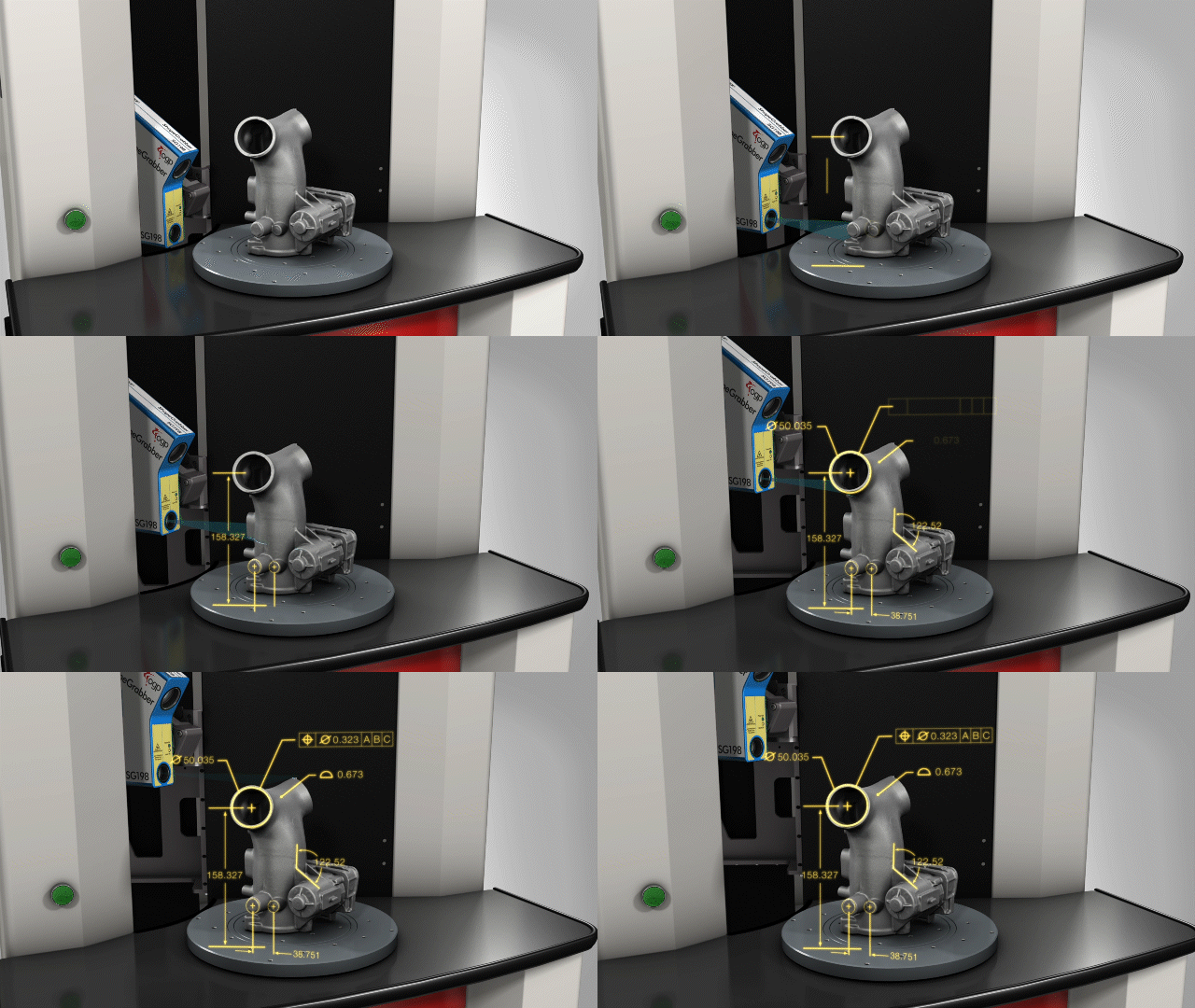
ShapeGrabber Ai820
Shapegrabber Ai820 is a floor model 3D scanner designed to serve a wide variety of parts in minutes with a high density of data points.
more information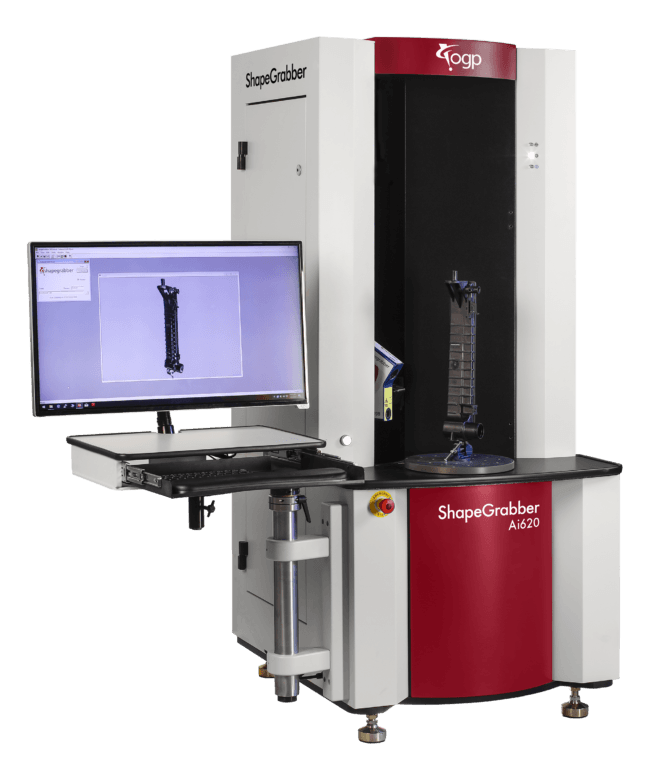
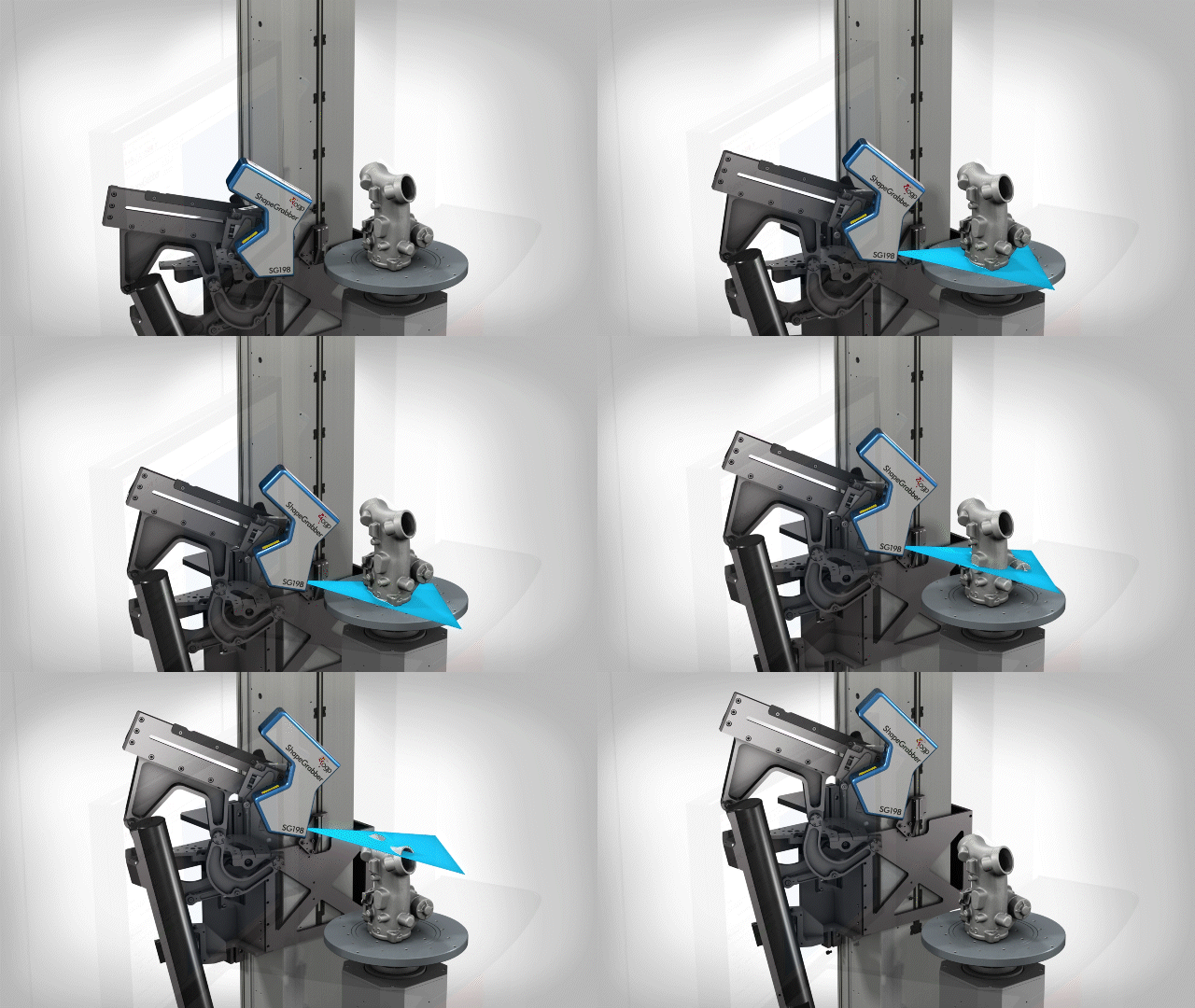
ShapeGrabber Ai620
ShapeGrabber Ai620 3D scanner is a precision, metrology-class 3D scanner. Ai620 measures the complete surface of complex shaped plastic, metal, and 3D printed parts in minutes with a high density of data points.
more information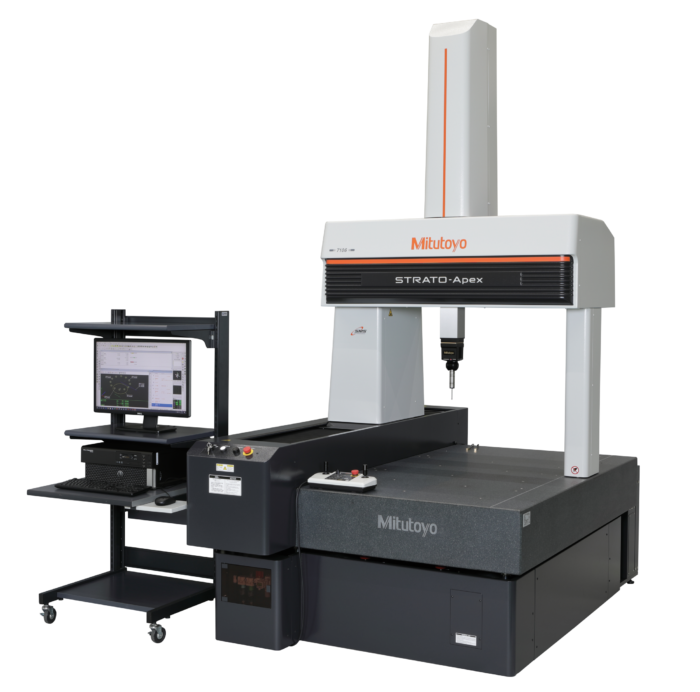
STRATO Apex 500/700/900/1600
The Mitutoyo state-of-the-art STRATO Apex Series of CNC Coordinate Measuring Machines delivers high-accuracy measurements with smooth, high-speed operation for top scanning performance.
more information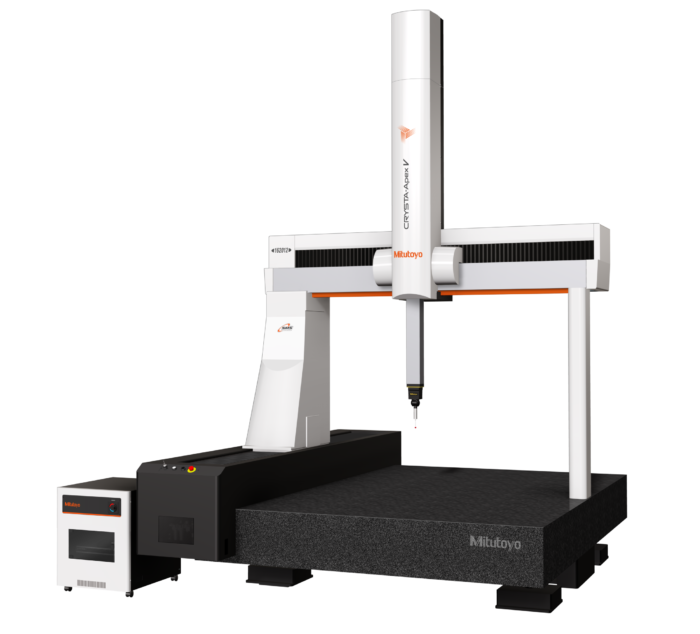
CRYSTA-Apex V1200/1600/2000
The CRYSTA-Apex V1200/1600/2000 series are large sized (starting at 1.2M/47.24″), high-performance, high-accuracy CNC CMMs priced competitively while meeting and exceeding global standards. Vibration is minimized during high-speed, high-acceleration movement.
more information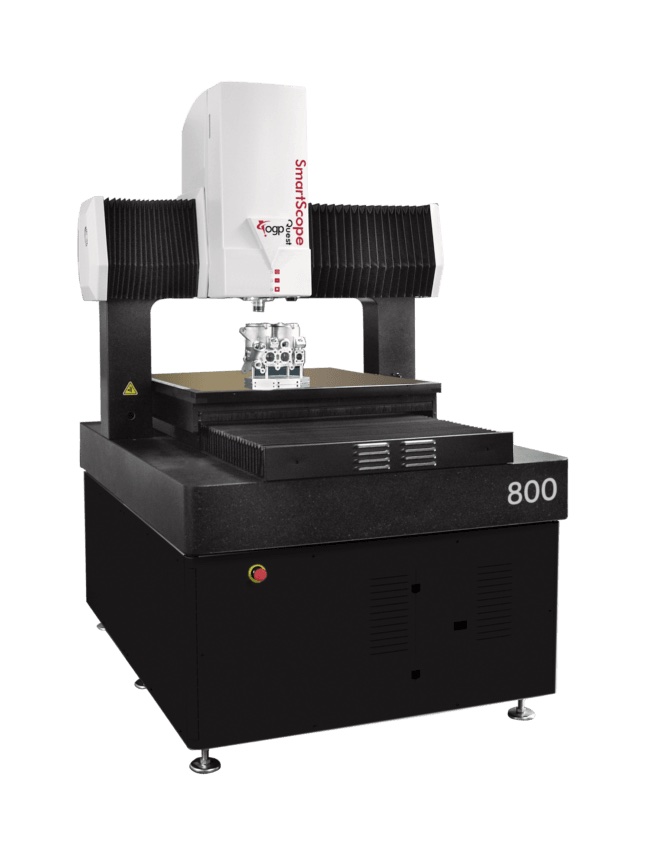

SmartScope Quest 800
SmartScope® Quest™ 800 is an extremely accurate floor model coordinate measurement system incorporating scanning probe, touch probe, micro-probes, and the patented TeleStar® Plus TTL laser for versatility and accuracy.
The Quest 800, with its extensive 790 x 815 x 300 mm XYZ measurement volume (and available 400 mm Z-travel), is designed to measure very large parts. A solid granite bridge platform rests on a sturdy steel support structure and the bridge design limits measured part motion to the Y axis, offering measurement stability.
more information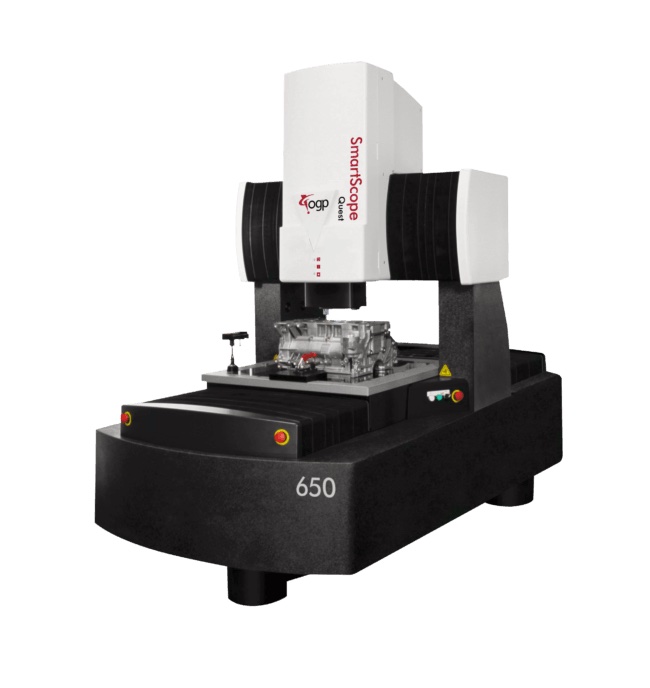
SmartScope Quest 650
SmartScope® Quest™ 650 is the largest high-accuracy system. Its massive granite base and thermally stable Meehanite® bridge support high-performance linear motor drives.
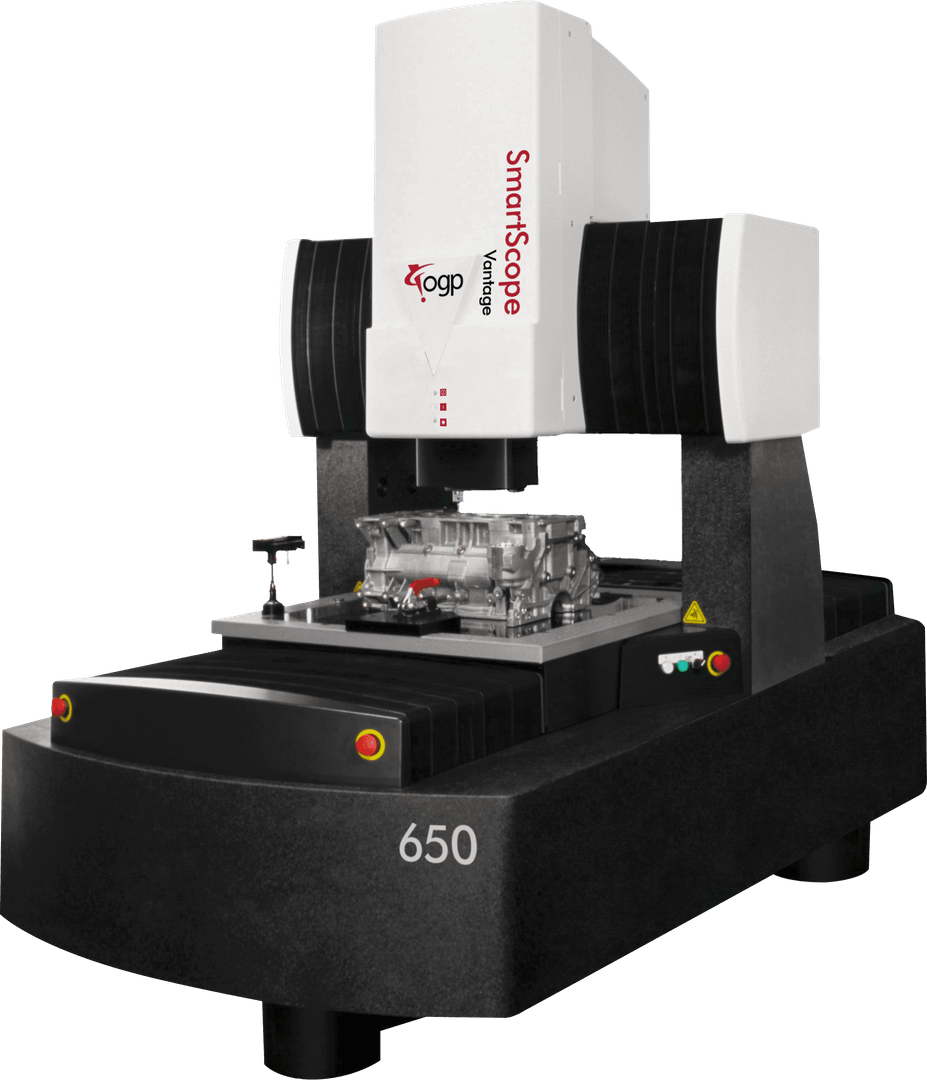
SmartScope Quest 650 provides high throughput and high accuracy simultaneously. This system comes standard with TeleStar® telecentric 10:1 zoom optics for the highest level of optical performance. SmartScope Quest 650 provides high accuracy movement of large parts.
more information
Surftest SJ-500 / 500P
The SJ-500 surface roughness tester offers benchtop or portable operation with highly precise measurement results.
more information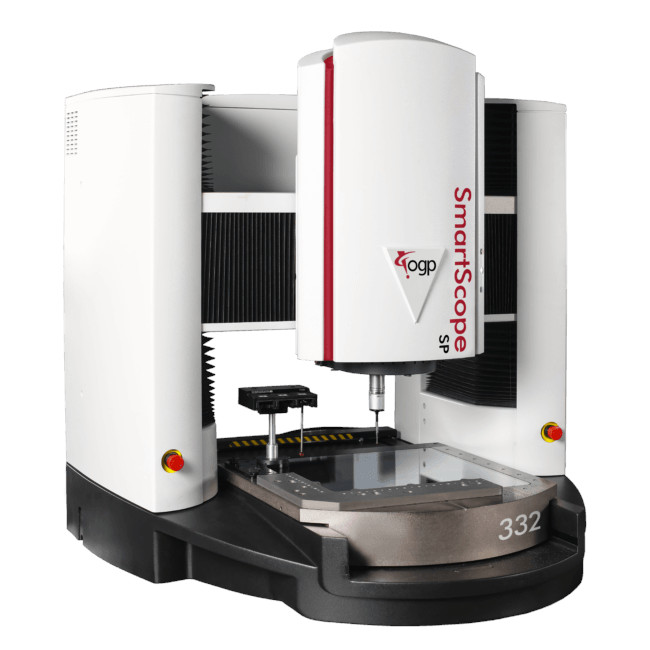
SmartScope SP 332
SmartScope® SP systems are designed for optimum scanning probe performance. Starting with a rigid base structure, the system mechanics are designed to optimize dynamic data acquisition critical to scanning probe performance. Most performance specifications for SP models are according to ISO 10360 standards.
more information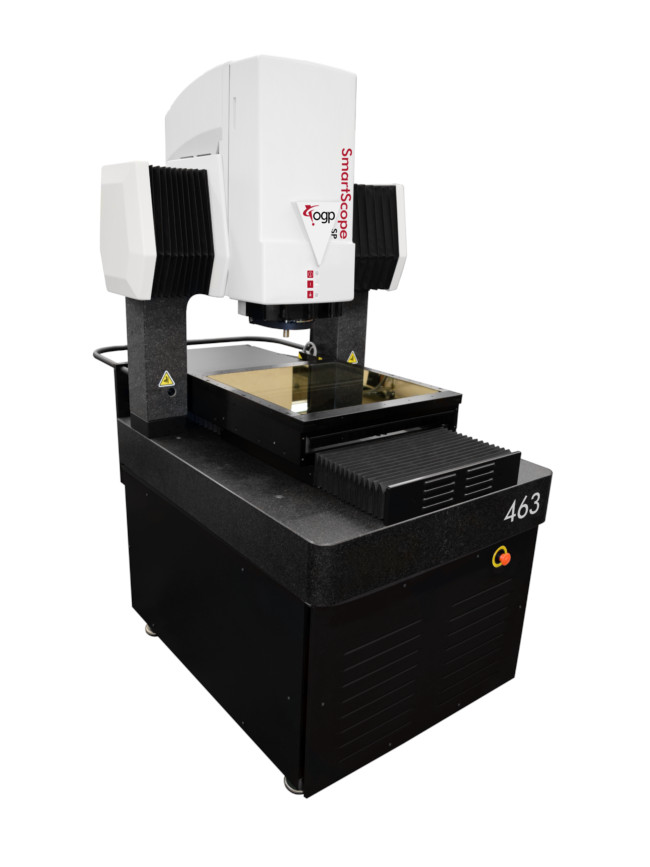
SmartScope SP 463
SmartScope® SP systems are designed for optimum scanning probe performance. Starting with a rigid base structure, the system mechanics are designed to optimize dynamic data acquisition critical to scanning probe performance. Most performance specifications for SP models are according to ISO 10360 standards.
more information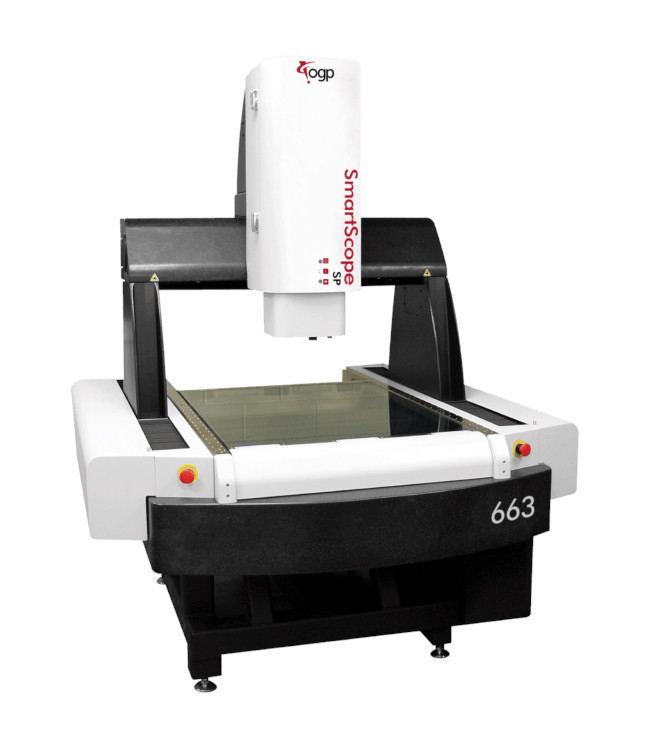
SmartScope SP 663
SmartScope® SP systems are designed for optimum scanning probe performance. Starting with a rigid base structure, the system mechanics are designed to optimize dynamic data acquisition critical to scanning probe performance. Most performance specifications for SP models are according to ISO 10360 standards.
SmartScope SP 663 is a moving bridge system designed for larger, heavier parts. During measurement the part remains stationary while the optics and sensors are moved around it.
more informationOffline Programming for Vision
Take offline programming to the next level with CMM-Manager Optical for both Manual and DCC Vision Measurement Systems. Leverage the power of 3D CAD and eliminate interruptions on your production Vision Systems.
more informationMiScan Hyper
The Mitutoyo MiScan Hyper Vision Measurement System combines the advantages of both a vision machine and a scanning CMM into a single platform. The MiSCAN Hyper can be fitted with different scanning probes for small features.
more information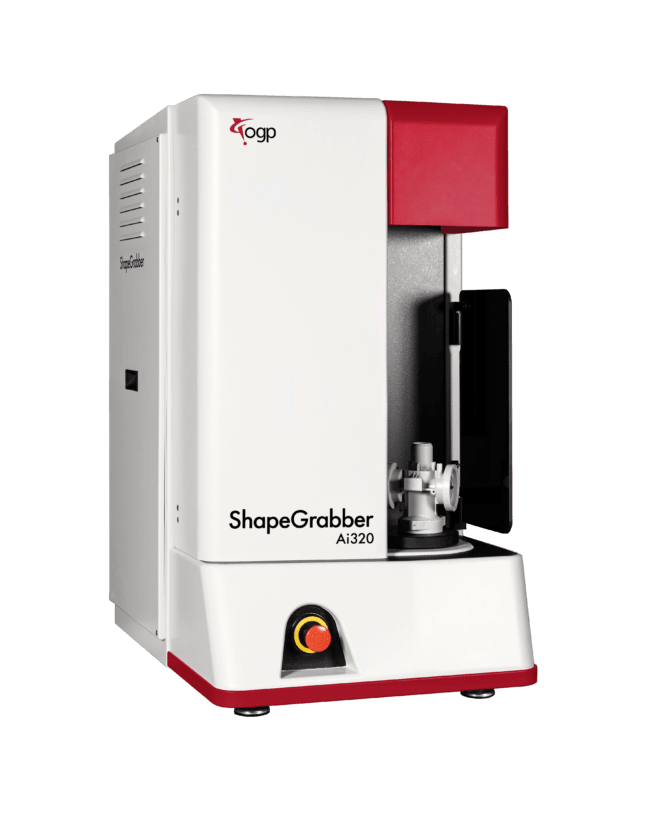
ShapeGrabber Ai320 3D Scanner
ShapeGrabber Ai320 is an automatic, compact 3D scanner designed to serve a wide variety of parts in minutes with a high density of data points.
more information
SmartScope Quest 450
SmartScope® Quest™ 450 is an extremely accurate floor stand coordinate 3D multisensor measurement system. Both the 450 and 450 with extended Y-travel are designed to measure larger parts, or to accommodate fixtures of multiple parts or rotary indexers. A solid granite bridge design platform rests on a sturdy steel support structure. This yields high-speed stage translation without vibration, maximizing measurement throughput. The bridge design limits measured part motion to the Y axis.
more information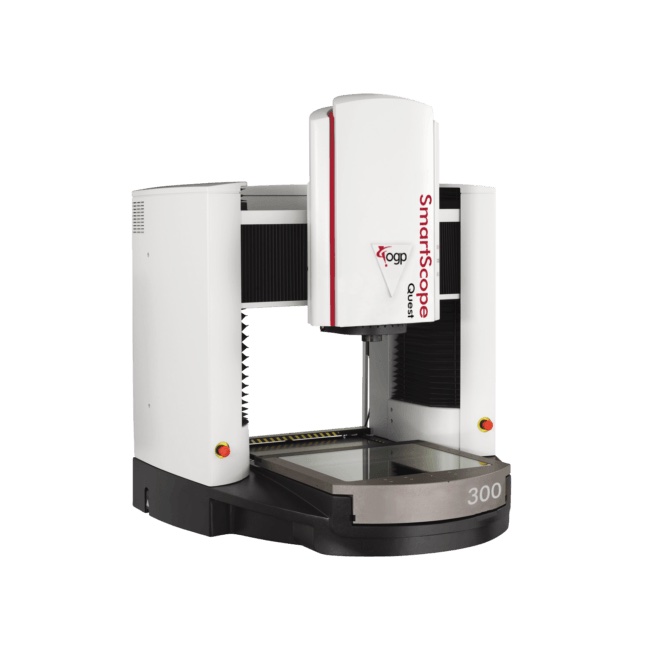
SmartScope Quest 300
SmartScope® Quest™ 300 offers 3D multisensor measurement versatility and accuracy needed for the most critical, demanding parts. A compact machine with an unique “elevating bridge” design that yields large XYZ measurement volume to accommodate large parts, it combines state-of-the-art video and autofocus to deliver high productivity.
more information
SmartScope Quest 250
SmartScope® Quest™ 250 is an advanced-technology 3D multisensor measurement system. This benchtop system is specifically designed to measure smaller parts, or for situations where space is at a premium. Its rigid structural design provides full access to the measurement volume for fixturing flexibility.
more information
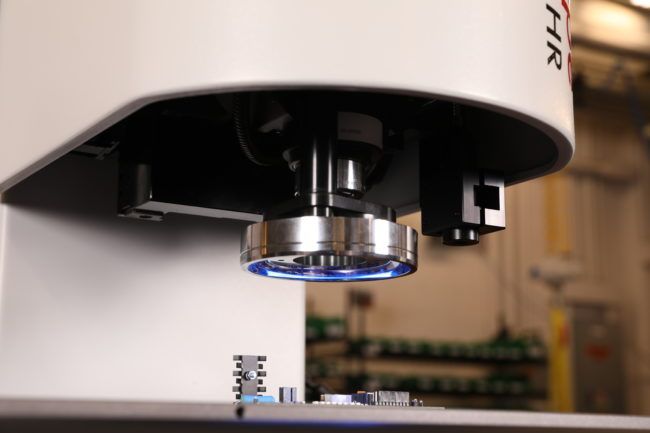
SmartScope ZIP HR 250
SmartScope ZIP® HR 250 combines a wide field objective lens, digital zoom, and 5-megapixel monochrome digital camera, providing a distortion-free image at low zoom, with high resolution at high zoom.
more information
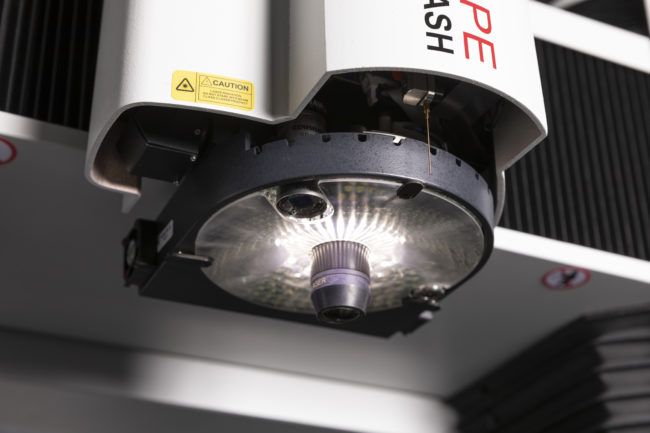
Smart Scope Flash 670
SmartScope® Flash™ 670 is an extra-large capacity 3D multisensor measurement system with a large XYZ measuring range. It is a Floor model system with solid granite base and moving bridge, providing a highly rigid structure for accurate positioning and repeatability.
more information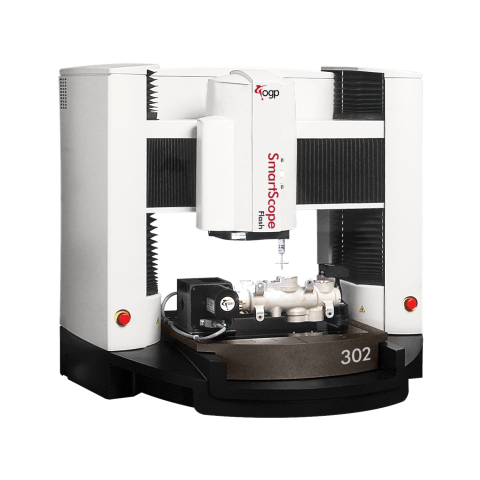

Benchtop Multisensor Measurement System
SmartScope® Flash™ 302 is a unique high capacity benchtop multisensor measurement system and one of the most versatile benchtop systems OGP offers.
more information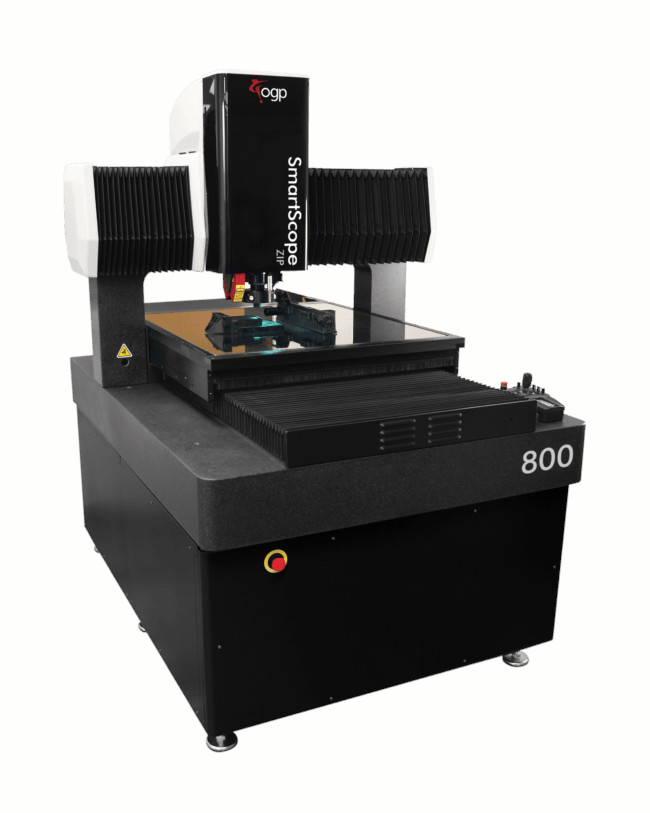
SmartScope ZIP 800
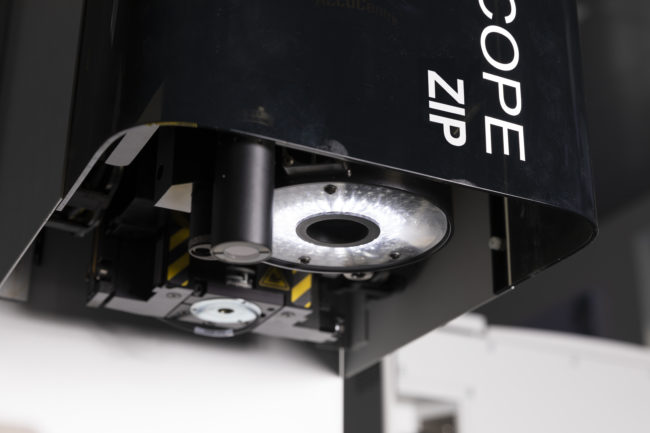
SmartScope ZIP® 800 is a floor model metrology system offering multisensor measurement of large parts, due to its large XYZ measurement volume. Measurement stability is built-in with ZIP 800, since its granite base and bridge provide a rigid, orthogonal base for accurate measurements. SmartScope ZIP 800 is also available with an optional 300 mm of Z-axis travel.
more information
SmartScope ZIP 635
SmartScope ZIP® 635 is a floor model metrology system offering high speed multisensor measurement of large parts. Its high acceleration and velocity in all three measurement axes contribute to measurement productivity, while its granite base and extruded, lightweight aluminum bridge provide a rigid platform for built-in measurement stability.
more information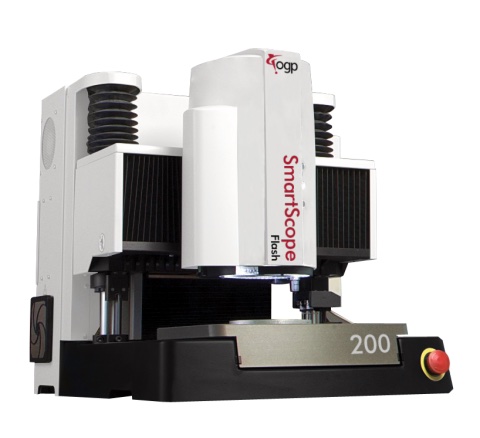
Flash 200 | Compact Benchtop System
SmartScope® Flash™ 200 – the smallest member of the Flash family of systems – is a 3D multisensor dimensional measuring system that fits on a benchtop.
more information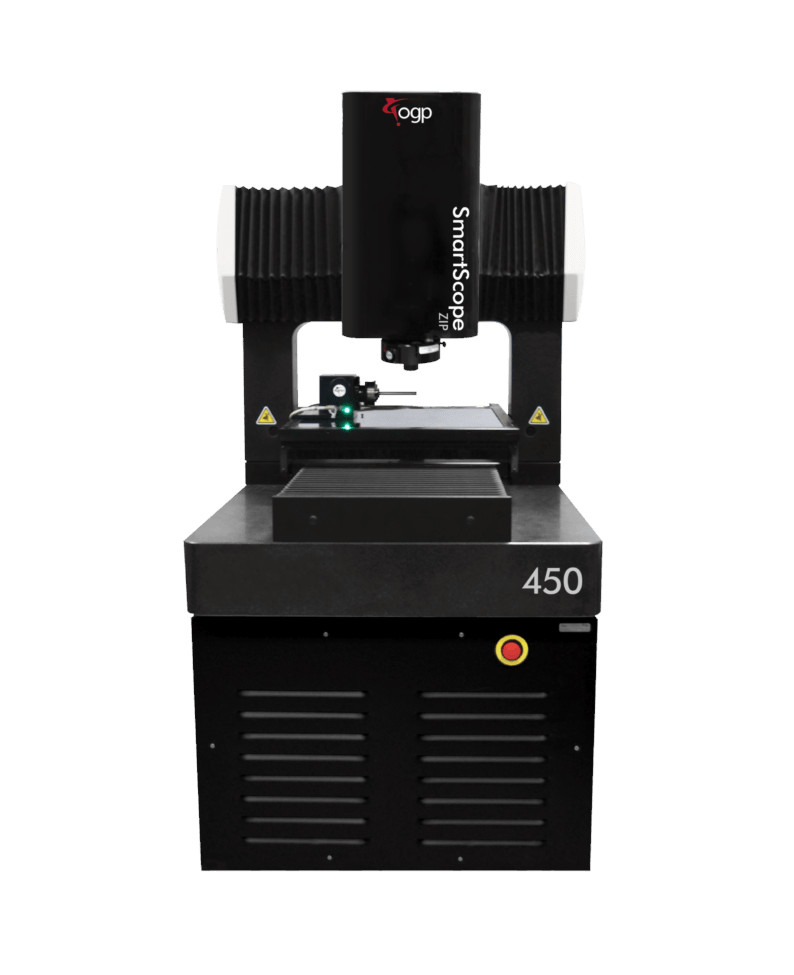
SmartScope ZIP 450
SmartScope ZIP® 450 is a floor model metrology system offering video and multisensor measurement for large parts. It has a reputation for extreme reliability and proven metrological performance. Traditionally strong in video measurement, it is also available with contact and non-contact probes, as well as the TTL laser.
more information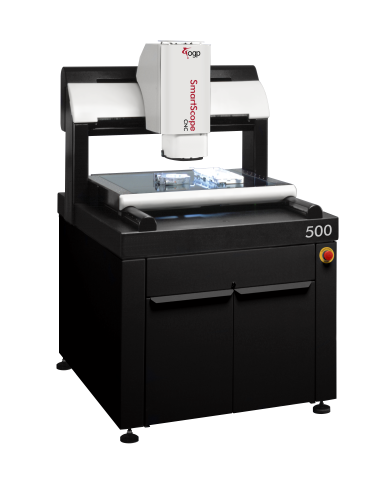
SmartScope Flash 500
The SmartScope® Flash™ 500 is the perfect large capacity 3D multisensor measurement system. It offers all the great Flash features and performance in a large travel bridge-design system. Parts move on a precision DC motor-driven Y-axis stage while the optics assembly travels in the X-axis across a stable bridge cross member.
more information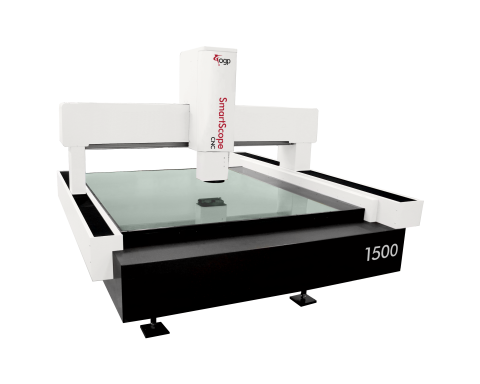
SmartScope Flash 1500 | 1550 | 1552
SmartScope® Flash™ 1500 |1550 | 1552 are floor model 3D multisensor measurement machines with an extended XY measuring range where the instrument head moves in the X axis across a steel bridge while the entire bridge moves on parallel tracks in the Y axis. The large measurement range of these systems accommodates large parts, such as LCDs, plasma displays, circuit boards, and multi-component fixtures.
more information
SmartScope ZIP 300
SmartScope ZIP® 300 is a fast, accurate floor model metrology system offering a combination of hardware performance, optical capability, and ease-of-use. A rigid cast iron base ensures stability and metrological accuracy
more information
SmartScope Flash 635
SmartScope® Flash 635 is a high-speed 3D multisensor dimensional measuring system for large parts that provides measurement speed and stability. A granite base and extruded, lightweight aluminum bridge provide a rigid orthogonal structure for measurement stability. While the instrument head moves in the X, Y, and Z axes, the part being measured remains stationary.
more information